
Young Fish Behaviour Predicts Lifespan
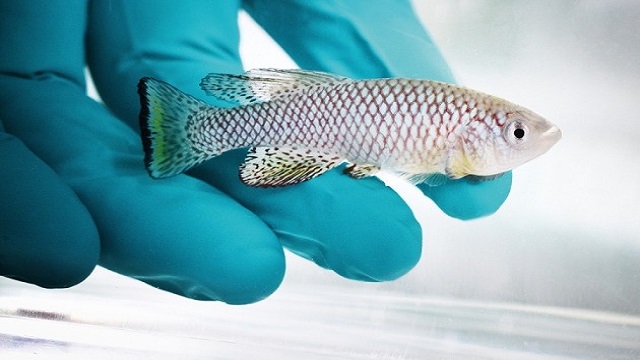
Scientists have discovered that the way young fish behave can predict how long they will live. This is according to a new study that tracked the daily activities of African turquoise killifish from their teenage years until death. The researchers found that youthful fish that were more active and energetic, spending most of their time moving around, tended to live longer than those who were less active.
The study also showed that young fish that went to bed earlier in the evening and slept more at night lived longer than those who took naps during the day. This is significant because it suggests that early adulthood behavior can predict future lifespan, even before signs of disease emerge.
According to neuroscientist Agustín Ibáñez from Adolfo Ibáñez University in Chile, “This opens several exciting possibilities.” The study’s findings highlight the importance of behavior as a window into an animal’s internal state. By tracking every movement over an animal’s lifespan, scientists can gain valuable insights into how aging unfolds.
The researchers used cameras to capture the daily activities of 81 killifish for 24 hours a day and built a machine-learning model to identify patterns in their behavioral characteristics, such as speed, rest, and movement. At around 100 days old, young fish that would eventually live longer were found to be more active, vigorous, and faster-moving than those that would go on to have shorter lifespans.
This study provides new insights into the complex process of aging and lifespan in animals. By understanding how youthful behavior predicts lifespan, scientists may be able to develop ways to promote healthy aging and extend lifespan in the future.