
COVID-19 Variant BA.3.2 Spreads Quickly in the U.S.: What You Should Know
A new COVID-19 variant called BA.3.2 has been spreading rapidly across the United States. This variant hasn’t gotten much attention until now, but it’s becoming a growing concern.
As a doctor who treats patients with severe lung diseases and long COVID, I often get asked about the risks of new virus variants. So far, there’s no evidence that BA.3.2 is more dangerous than earlier versions of the virus. However, because it has changed so much from previous strains, the current vaccines might not protect against it as well.
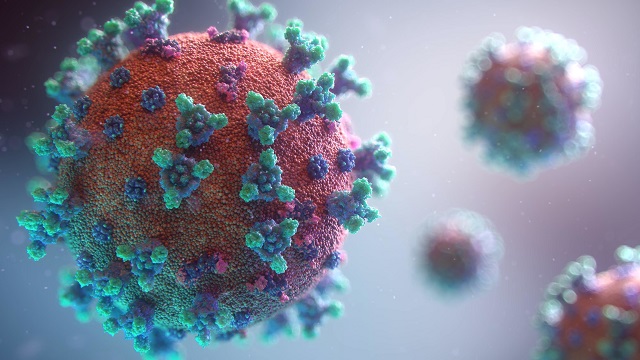
BA.3.2 comes from the omicron variant, which first appeared in late 2021. The spike protein, which helps the virus enter cells and is targeted by vaccines, has 70 to 75 changes in BA.3.2 compared to other strains. This could make it harder for vaccines to work as effectively.
The variant was first spotted in November 2024 in Africa and started spreading globally in 2025. By February 2026, it had reached 23 countries. The first U.S. case was found in June 2025 in a traveler. Since then, it has been detected in 29 states through wastewater testing.
Viruses change over time, and COVID-19 evolves especially quickly. These changes can make the virus harder for the immune system to recognize. It’s like seeing someone after many years—they might look different enough that you don’t immediately recognize them.
Vaccines are designed based on the most common virus strains at the time. Right now, vaccines target JN.1 lineage strains, which have been dominant in the U.S. since early 2024. But BA.3.2 is so different that the vaccines might not protect against it as well.
This doesn’t mean you shouldn’t get vaccinated. Vaccines still reduce severe illness and death. But because they might not work as well against BA.3.2, it could spread more easily.
To stay safe:
1. Wash your hands often to lower your risk of infection.
2. Stay home when sick to avoid spreading the virus.
3. Spend less time in crowded places.
4. Talk to a doctor if you’re worried about your health risks.
While BA.3.2 might not be more severe, it’s still important to take precautions, especially for those with health conditions.