
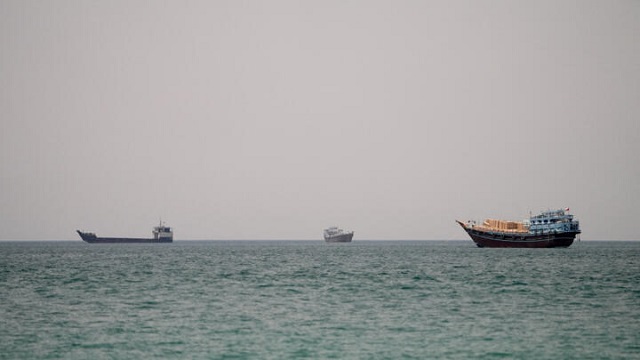
Iran Blocks Hormuz Until U.S. Meets Demands
Iran’s Revolutionary Guards announced on August 9, 2026, that they will not reopen the Strait of Hormuz until the United States meets their demands, which include compensation for war damage. Iran has blocked this key energy route since U.S. and Israeli attacks in late February. The country now wants to charge tolls for ships passing through, accusing some vessels of avoiding its preferred route.
The ongoing attacks have led to a collapse in an April ceasefire agreement. Mediators are urging both sides to return to a June memorandum that aimed to pave the way for peace talks. Iran’s security chief, Mohammad Bagher Zolghadr, listed conditions for reopening the strait, including ending U.S. and Israeli actions against Iran and its allies in Lebanon, Palestine, Yemen, and Iraq.
Iran also wants an end to the U.S. counterblockade of Iranian ports, the removal of sanctions, the release of frozen assets, and compensation for wartime damage. Revolutionary Guards stated their strategy is to keep the strait closed until all demands are met, calling it a “theatre of war.”
Meanwhile, Iran’s foreign minister denied that talks with the U.S. were underway, claiming they were only exchanging messages through intermediaries.
Traffic through Hormuz has dropped significantly due to the conflict. The United Arab Emirates accused Iran of attacking one of its tankers in the strait on August 8. A UK agency also reported a ship hit by projectiles off Oman, though details remain unclear. Oman condemned repeated attacks but did not name Iran, while emphasizing ongoing navigation discussions.
The June Iran-U.S. deal aimed to discuss future arrangements for Hormuz with Gulf countries, following international law which generally opposes tolling in such waterways.
In parallel developments, Iran’s Houthi allies in Yemen announced a blockade of Saudi Red Sea ports. The Houthis struck a Saudi oil facility on August 9, leading to casualties in the region. This comes as Saudi Arabia faces increasing challenges to its stability and security reputation, while also dealing with a new defense agreement with Turkey and Pakistan.
The conflict continues to escalate, affecting global energy routes and regional stability.