
Iran’s Spokesperson Says Strait of Hormuz Won’t Reopen Under US Blockade
Tehran, Iran: Iran has said that the Strait of Hormuz will remain closed until the United States ends what Tehran describes as a naval blockade against Iran.
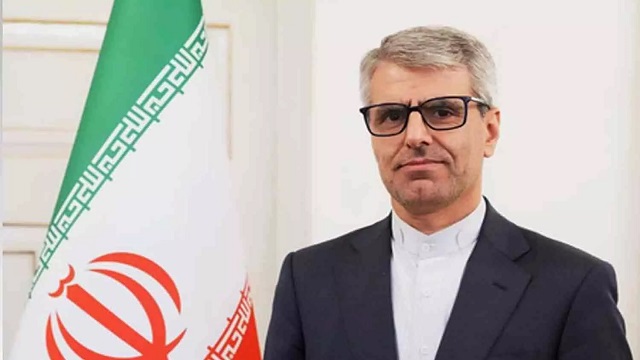
Iranian Foreign Ministry spokesperson Esmaeil Baqaei made the statement during a press conference in Tehran. He said the decision to close the important waterway was taken because of what Iran describes as continued military actions by the United States and Israel against the country.
Iran Links Reopening to US Actions
Baqaei said Iran’s decision to reopen the strait would depend on developments involving the United States and Israel. He indicated that Tehran wants the military pressure against Iran to end before normal shipping can resume.
The statement shows that the future of the waterway is closely connected to the wider political and military situation in the region.
Why the Strait Is Important
The Strait of Hormuz is one of the world’s most important shipping routes. It connects the Persian Gulf with the Gulf of Oman and the Arabian Sea.
Large quantities of oil and other energy products normally pass through the strait. Because of this, any major disruption could affect international shipping, energy supplies and fuel prices.
Countries that depend on energy imports are closely watching the situation because a prolonged closure could create difficulties for global trade.
Iran and Oman Discuss Shipping
Baqaei also discussed talks between Iran and Oman about a possible shipping route.
He stressed that these discussions are bilateral, meaning that they involve only Iran and Oman. He said the talks should not be seen as negotiations between Iran and the United States.
Iran and Oman are looking at possible ways to manage shipping and transportation through the region while the wider tensions continue.
No Direct Talks With US
Iranian Foreign Minister Seyed Abbas Aragchi previously said that Iran and the United States are not currently holding direct negotiations.
Although messages may be passed between the two countries through intermediaries, there are no active direct talks at the moment.
This suggests that relations between Tehran and Washington remain tense despite diplomatic efforts by other countries.
Concerns Over Global Shipping
The situation around the Strait of Hormuz is being closely watched by governments, shipping companies and energy markets around the world.
A long closure could delay ships, increase transportation costs and create uncertainty in global energy supplies. The impact could extend beyond the region because the strait is an important route for international trade.
For now, Iran says it will keep the waterway closed while its security and political concerns remain unresolved. At the same time, discussions with Oman continue as both countries explore possible arrangements for shipping.
The future of the Strait of Hormuz will depend heavily on developments between Iran, the United States and Israel, as well as diplomatic efforts by countries trying to reduce tensions in the region.