
Can Dogs Read Your Emotions?
Dogs have lived alongside humans for thousands of years, and their ability to understand people may be even stronger than many people realize. They can often notice small changes in our behaviour, voices, and facial expressions.
A recent study suggests that dogs may be able to recognize different human emotions simply by looking at our faces. They may not always need body language, sounds, smells, or spoken words to understand how a person is feeling.
Dogs Pay Attention to Human Faces
Dogs are very good at observing people. They can notice small signals that humans may not even think about.
For example, a dog may become excited when it hears keys because it has learned that keys can mean a walk or a trip outside. A dog may also react when it sees a leash, a food bowl, or a familiar person’s face.
Researchers wanted to understand whether dogs could recognize emotions from facial expressions alone.
Study Used Brain Scans
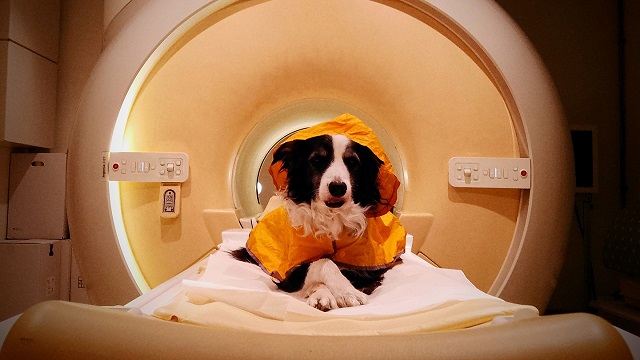
Researchers studied 14 dogs, including breeds such as Border Collies and Golden Retrievers. The dogs were trained to remain still inside an MRI scanner so that scientists could observe their brain activity.
The researchers showed the dogs photographs of human faces displaying different emotions.
The brain scans showed that different facial expressions produced different patterns of activity in the dogs’ brains. This suggests that dogs may process different human emotions in different ways.
Happy Faces Triggered Reward Areas
One interesting finding involved happy human faces.
When the dogs looked at happy faces, a part of their brains linked to reward and positive experiences showed stronger activity compared with when they looked at neutral faces.
This could mean that dogs have learned to associate certain human expressions with positive experiences.
For example, a happy face may often be connected with friendly behaviour, food, play, affection, or attention.
Understanding Negative Emotions
The study also suggested that dogs can distinguish between certain negative emotions.
This is important because dogs live closely with humans and are constantly exposed to our moods. Being able to recognize whether a person is happy, upset, or uncomfortable could help dogs respond appropriately.
However, researchers still need to study how dogs understand emotions in real-life situations. Looking at photographs in a laboratory is different from interacting with people in everyday life.
How Did Dogs Develop This Ability?
Scientists believe that thousands of years of living alongside humans may have helped dogs develop strong social and emotional skills.
Unlike many other animals, dogs have developed a close relationship with humans. Over generations, dogs that were better at understanding human behaviour may have had advantages in living and working with people.
Today, dogs can form strong bonds with their owners and often respond to changes in mood and behaviour.
What the Study Means
The findings provide another clue about the special relationship between humans and dogs. They suggest that dogs may be paying much closer attention to our faces and emotions than we realize.
Dogs may not understand human emotions in exactly the same way people do, but their brains appear to respond differently to different facial expressions.
The research also reminds dog owners that their pets may be sensitive to their emotional state.
So, the next time your dog looks at you when you are happy, worried, or upset, it may be doing more than simply watching you. It could be trying to understand how you feel.
For our four-legged companions, a kind voice, gentle behaviour, and a little extra attention may matter more than we think.