
U.S. Strikes Iran in Strait of Hormuz Amid Ongoing Conflict
West Asia: The United States carried out strikes on an Iranian island in the Strait of Hormuz on Sunday, August 30, 2026, marking the first direct U.S. attacks on Iran in about a month.
The strikes were followed by an Iranian response, increasing concerns about a wider escalation in the region. Oil prices also moved higher on Monday as markets reacted to the latest military developments.
U.S. Targets Rocket Launchers
The United States said its forces targeted Iranian rocket launchers on the small island.
Washington said the strikes were aimed at reducing the threat posed by Iranian military positions in the strategically important Strait of Hormuz.
The Iranian Revolutionary Guard Corps reported casualties following the attack, although details about the number of people affected were not immediately clear.
Iran Responds
Iran responded after the U.S. strikes.
According to Iranian state media, Iranian forces attacked U.S. military targets in Jordan as part of their retaliation.
The exchange of attacks has raised concerns that the conflict could spread to other countries in the region.
Jordan and other countries in West Asia are closely watching the situation because an expansion of the conflict could create additional security risks.
Strait of Hormuz Remains Important
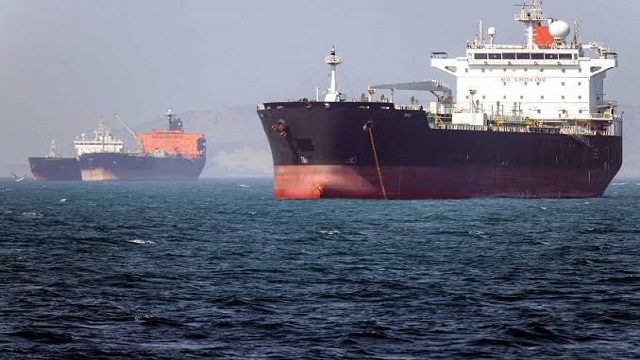
The Strait of Hormuz is one of the world’s most important energy routes.
A large amount of global oil and gas passes through the narrow waterway every day. Any disruption to shipping through the strait can quickly affect energy markets around the world.
The latest military action has therefore attracted attention from oil traders and governments concerned about global energy supplies.
Oil Prices Increase
Oil prices rose by more than $1 per barrel on Monday following the latest escalation.
Investors are worried that further fighting could disrupt oil shipments from the Middle East.
If tensions continue to increase, energy prices could rise further and affect fuel costs and the wider global economy.
Conflict Enters Sixth Month
The latest attacks come during the sixth month of the ongoing conflict in West Asia.
Despite periods of reduced military activity, tensions between the United States and Iran remain high. Both countries continue to maintain strong positions, with neither side showing clear signs of backing down.
The latest exchange of attacks could make diplomatic efforts more difficult and increase the risk of further military action.
Concerns About Further Escalation
Governments across the region are now watching closely to see what happens next.
Any additional attacks could lead to a wider conflict involving other countries and military forces in the region.
For now, the situation remains tense. The U.S. and Iran have both demonstrated that they are willing to respond militarily, while the international community continues to face the challenge of preventing the conflict from becoming even larger.
The coming days will be important in determining whether the latest escalation remains limited or develops into a broader regional confrontation.