
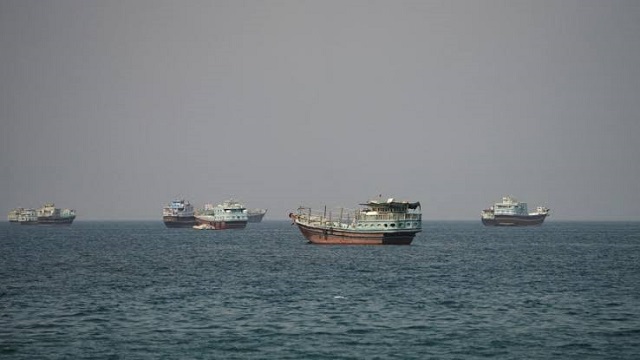
Iran Proposes Seven-Day Plan to Reopen Strait of Hormuz
Iran has proposed a seven-day roadmap to reopen the strategically important Strait of Hormuz and restart nuclear negotiations with the United States, provided Washington agrees to several conditions. The proposal was outlined by Iranian Foreign Minister Abbas Araghchi during the United Nations General Assembly in New York.
Under the proposal, the United States would need to lift its naval blockade of Iranian ports, waive sanctions affecting Iranian oil sales and agree to a ceasefire covering the region, including Lebanon. Iran has also called for the release of frozen Iranian funds as part of the broader arrangement.
Araghchi said the seven-day timeline would begin once Washington accepts the proposal. He explained that the initial measures would take around four to five days. The Strait of Hormuz would then be reopened on the sixth day, with nuclear talks between Iran and the United States beginning on the seventh day.
The proposal was reportedly communicated to Washington through mediators, including Qatar. Iran has described the plan as a way to restart diplomacy and reach a broader agreement over its nuclear programme and the ongoing conflict.
The Strait of Hormuz is one of the world’s most important energy routes. Before the current conflict, roughly one-fifth of global oil and gas trade passed through the waterway. Disruptions to shipping through the strait have therefore affected energy markets and increased concerns about oil prices and global supply.
The proposal comes after an earlier understanding between Washington and Tehran failed to produce a lasting agreement. Iran’s latest plan seeks to revive elements of that earlier arrangement but sets a much shorter timetable for reopening the waterway and restarting negotiations.
The White House has said that US officials have been involved in constructive discussions with mediators. However, Washington had not immediately accepted Iran’s seven-day roadmap. President Donald Trump had previously indicated that he expected diplomacy with Iran to progress after the November midterm elections.
Iran’s proposal also faces concerns from countries in the Gulf region. Gulf governments want shipping through the Strait of Hormuz to return to normal because of its importance to energy exports, but they have also been cautious about arrangements that could increase Iran’s regional leverage.
The proposal therefore places several major issues on the negotiating table at the same time: the Strait of Hormuz, US sanctions, the naval blockade, regional ceasefires and Iran’s nuclear programme. Whether Washington accepts the conditions remains a key question as diplomatic efforts continue at the United Nations.