
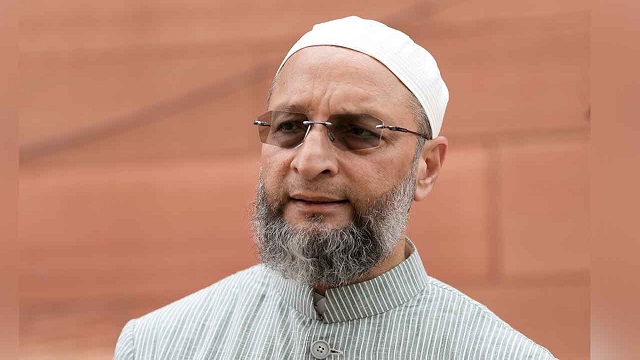
Owaisi’s Political Journey
Asaduddin Owaisi, the leader of the All India Majlis-e-Ittehadul Muslimeen (AIMIM), continues to attract attention in Indian politics. Known for his strong speeches and views on minority rights, secularism and political representation, Owaisi has built a strong political presence in Hyderabad. However, his efforts to expand his party’s influence beyond Telangana have brought both opportunities and challenges.
Owaisi comes from a politically influential family. His father, Sultan Salahuddin Owaisi, was a prominent politician who played an important role in building AIMIM’s influence in Hyderabad. Asaduddin Owaisi later took on a leading role in the party and developed his own political identity through speeches, parliamentary debates and election campaigns.
Over the years, Owaisi has become known for raising issues related to Muslim representation, constitutional rights and the position of minority communities in India. His supporters view him as a strong voice for communities that they believe are underrepresented in mainstream politics. At the same time, his speeches and political positions have attracted criticism from opponents, making him a widely debated figure in the country’s political landscape.
One of Owaisi’s major political goals has been to expand AIMIM beyond its traditional base in Hyderabad. The party has contested elections in several states, including Maharashtra, Bihar and Uttar Pradesh. These efforts aim to increase the party’s national presence and attract voters outside Telangana.
Uttar Pradesh has particular political importance because of its large population and diverse voter base. The state also has a significant Muslim population, making it an important area for parties seeking to gain support among minority voters. AIMIM’s participation in elections there has attracted attention, but building a strong and lasting political base remains a challenge in a state dominated by established political parties.
Owaisi’s expansion plans have received mixed reactions. Supporters argue that AIMIM should be allowed to compete across India and offer voters another political option. Critics, however, question whether the party’s entry into elections outside its home state can translate into meaningful electoral success. Some political opponents have also argued that the party’s presence could affect the results of other parties, although the actual impact depends on local candidates, voter preferences and election conditions.
Despite these challenges, Owaisi remains an active figure in national political discussions. His speeches frequently attract media coverage, while his party continues to focus on elections, public issues and political representation.
Legal matters and public criticism can also affect a politician’s public image. However, specific claims about Owaisi’s current legal disputes should be assessed using reliable reports and official court records. The existence of a legal case does not by itself establish wrongdoing, and the details and status of any proceedings must be considered carefully.
Looking ahead, Owaisi’s political future will depend partly on AIMIM’s ability to strengthen its organisation, attract support in new regions and maintain its existing voter base in Hyderabad and other areas. The party will also need to demonstrate that its expansion strategy can produce lasting electoral gains.
Asaduddin Owaisi remains a prominent and often debated voice in Indian politics. Whether AIMIM can turn its wider ambitions into greater electoral influence will become clearer through its future campaigns and election results.