
The Beauty Industry: Selling Insecurities or Solutions?
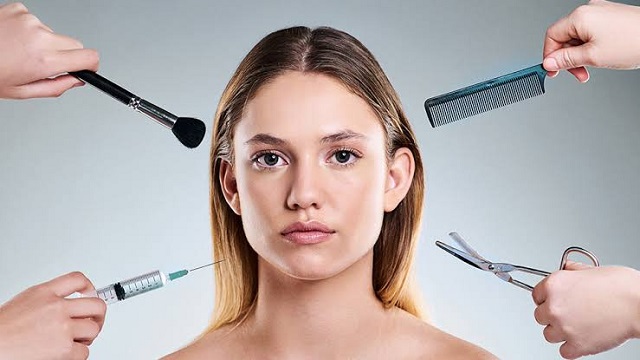
The beauty industry has faced criticism for using people’s insecurities to sell products instead of helping them feel confident about themselves. Many beauty advertisements focus on common skin and body features, such as wrinkles, acne, cellulite and uneven skin tone. These campaigns can make people feel that they need to change their appearance to look beautiful or be accepted by others.
Beauty products are often promoted as solutions to problems that people may not have considered before seeing an advertisement. For example, an advertisement may highlight signs of ageing or skin imperfections and then present a particular product as the answer. This type of marketing can encourage consumers to believe that their natural appearance is something that needs to be corrected.
Over time, such messages may affect how people see themselves. When advertisements repeatedly focus on physical flaws, some consumers may begin comparing their appearance with carefully edited images of models and celebrities. This can create unrealistic expectations about beauty and increase pressure to look a certain way.
Social media has also changed how beauty products are marketed. Influencers, celebrities and online creators regularly share skincare routines, makeup products and personal beauty recommendations. While this content can help people discover useful products, it can also encourage constant comparison, especially when photographs and videos are edited or use filters.
Another concern is the fear of ageing. Many campaigns present wrinkles, grey hair and other natural changes as problems that must be avoided. Although skincare products can help protect the skin and improve its appearance, the message can become harmful when it suggests that people lose their beauty or value as they grow older.
The same concerns apply to acne, cellulite and differences in body shape. These are common features of human bodies, but advertising can sometimes present them as unacceptable. When consumers repeatedly see such messages, they may feel pressure to spend money on products in an attempt to meet unrealistic standards.
Critics argue that this approach allows some brands to benefit from consumer insecurity. When people believe that their appearance is not good enough, they may continue buying new products in the hope of achieving a perfect look. This can create a cycle in which consumers are encouraged to focus on their perceived flaws rather than appreciate their natural features.
However, the beauty industry can also play a positive role. Skincare, cosmetics and personal care products can help people express themselves, enjoy self-care and address genuine concerns. The problem is not the products themselves but the way they are sometimes advertised and the expectations created around their use.
There is growing demand for beauty brands to adopt more inclusive and realistic marketing practices. Consumers increasingly want to see people of different ages, skin tones, body types and backgrounds represented in advertisements. Showing natural skin textures and different forms of beauty can help make campaigns more relatable.
Brands can also improve their messages by focusing on what products can realistically do. Instead of suggesting that customers must hide every imperfection, companies can explain the benefits, limitations and proper use of their products. Honest advertising helps consumers make informed choices without creating unnecessary fear about their appearance.
Inclusivity should also go beyond using diverse models in advertisements. It can include developing products for different skin tones and needs, making clear product information available and ensuring that beauty campaigns do not shame people for their natural features.
Consumers also have a role in changing the industry’s direction. By supporting brands that promote realistic beauty standards and provide honest information, people can encourage companies to improve their advertising practices. Learning to recognise edited images and unrealistic claims can also help consumers make better decisions.
Ultimately, beauty should not be defined by a single standard or by the number of products a person uses. The industry has an opportunity to move away from messages based on insecurity and focus more on confidence, personal choice and well-being.
A more positive approach to beauty marketing would allow people to enjoy skincare and cosmetics without feeling that they must change who they are. By celebrating diversity and promoting realistic expectations, beauty brands can help create a culture in which products support individual needs rather than make people feel inadequate.