
India’s Act East Policy Focuses on ASEAN Ties
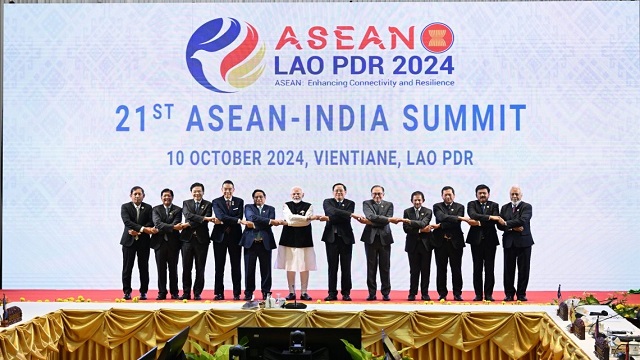
Prime Minister Narendra Modi is visiting Manila, the capital of the Philippines, from November 16 to 17, 2026, to participate in the 23rd ASEAN-India Summit and the 21st East Asia Summit. The visit comes at the invitation of Philippine President Ferdinand R. Marcos Jr. and is expected to provide an opportunity to strengthen India’s diplomatic and economic relations with Southeast Asian countries.
Before departing for Manila, Modi highlighted the importance of India’s long-standing relationship with the Association of Southeast Asian Nations (ASEAN). He stated that cooperation with ASEAN countries remains a central part of India’s Act East Policy and its broader MAHASAGAR vision. He also pointed to the historical and cultural connections between India and Southeast Asia, which have developed over several centuries through trade, cultural exchanges and people-to-people interactions.
Over the years, India and ASEAN have expanded their partnership across several important sectors, including trade, investment, infrastructure, connectivity, maritime security, technology and education. These areas of cooperation have helped strengthen economic and diplomatic ties between India and the countries in the region.
During the 23rd ASEAN-India Summit, the Prime Minister is expected to engage with regional leaders to discuss ways to further strengthen the Comprehensive Strategic Partnership between India and ASEAN. Discussions are expected to focus on improving regional connectivity, expanding economic cooperation, encouraging investment and promoting shared development opportunities. The leaders will also explore ways to address common challenges and build stronger partnerships for long-term regional growth.
Modi also highlighted the importance of the 21st East Asia Summit, which brings together leaders from across the Indo-Pacific region. The summit provides an important platform for discussing regional and international developments, including peace, security, stability and economic cooperation. Issues related to maritime security, regional connectivity and emerging global challenges are also expected to feature in discussions.
The Indo-Pacific region has become increasingly important in international relations due to its growing economic influence and strategic significance. India has been working with regional partners to promote a free, open, peaceful and inclusive Indo-Pacific. Through its participation in these high-level meetings, India aims to strengthen cooperation and encourage dialogue among countries in the region.
Apart from attending the summits, Prime Minister Modi is also looking forward to interacting with members of the Indian community living in the Philippines. The Indian diaspora has contributed to strengthening cultural, business and social connections between the two countries. Such interactions are also an opportunity to recognise the role of overseas Indians in building closer relationships between India and other nations.
India and the Philippines share growing cooperation in areas such as defence, trade, technology, education and maritime security. Both countries have continued to explore opportunities to expand their partnership and address common regional concerns. High-level engagements such as this visit provide an opportunity to review existing cooperation and identify new areas for collaboration.
Prime Minister Modi expressed confidence that his visit would bring fresh momentum to India’s relationship with ASEAN and the Philippines. He also reiterated India’s commitment to working with regional partners towards a peaceful, prosperous and resilient Indo-Pacific region.
The two-day visit is expected to further strengthen India’s engagement with Southeast Asia and reinforce its role in regional discussions on economic development, connectivity and security.