
Census 2027: ‘Other’ Religions List Simplified
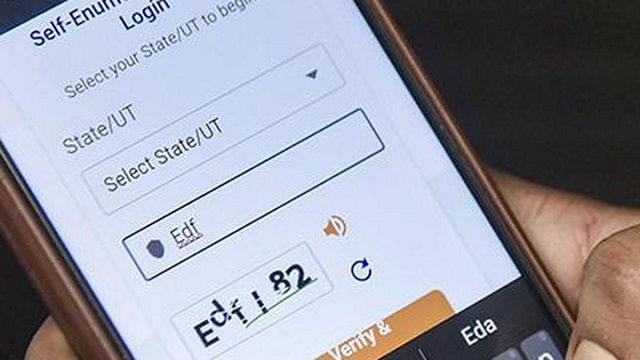
The self-enumeration portal for India’s 2027 Census now displays 76 entries under the “Other” religions category through a predictive text feature instead of the dropdown menu that was previously available. The change has attracted attention after more than 200 religious and spiritual group names were removed from the earlier list.
When the portal was launched on November 16, 2026, for Uttar Pradesh, Goa, Punjab and Uttarakhand, the number of available suggestions had reportedly been reduced from more than 287 to 76. The earlier list included names such as ISKCON and Ramakrishna Paramhans, along with several other religious groups and organisations.
Among the removed entries were names such as Satguru, Shia and Sunni. These were reportedly excluded because some were considered sects or denominations within larger religions, while others had been included as separate entries in earlier records.
Most of the 76 remaining suggestions are associated with the faiths and religious traditions of Scheduled Tribe communities. These include Sarna and Tana Bhagat. Five additional entries have also been introduced: Adibasi Dharma, Bura Deo, Karupa, Tingkao Rangong and Tingwang Hingde.
The changes have raised questions among opposition leaders and organisations representing Other Backward Classes (OBCs). Some have questioned why the religion section provides suggested options while the caste section does not follow a similar dropdown format.
The government has explained that the predictive text feature is intended to reduce errors during data entry. However, questions remain about the criteria used to select the remaining religious entries and how the newly added names were identified.
Another major feature of the 2027 Census is the inclusion of caste enumeration. For the first time in independent India’s Census process, caste information is being collected alongside the regular population details. However, instead of providing a fixed dropdown list, the portal uses an open-entry field for caste information.
The decision to use an open field has also drawn criticism from civil society organisations, some of which have called for greater clarity and transparency in the process.
The changes to the religion and caste sections have brought renewed attention to how India’s Census records the country’s diverse communities. The government is expected to face further questions about the methods used to classify and record different religious and caste identities.