
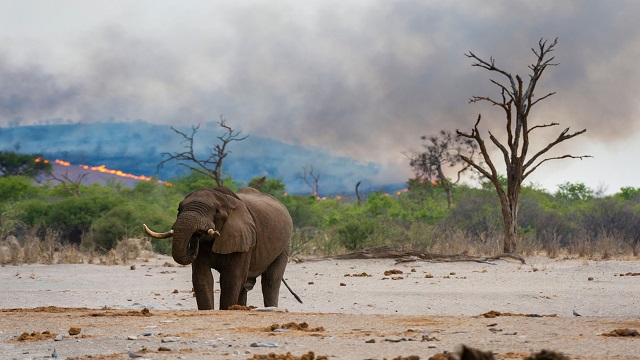
UNFCCC Loses Sight of Nature
The United Nations Framework Convention on Climate Change (UNFCCC) was established to address the growing threat of climate change caused by human activities. Its main objective is to stabilise greenhouse gas concentrations in the atmosphere at a level that prevents dangerous human interference with the climate system.
The convention also highlights the importance of protecting natural ecosystems, ensuring food production and supporting sustainable economic development. It aims to achieve these goals while giving the environment and human societies enough time to adapt to changing climate conditions.
An important aspect of the UNFCCC’s objective is the distinction between managing human interference with the climate system and preventing dangerous interference. While controlling greenhouse gas emissions is essential, the broader goal is to avoid climate changes that could cause serious and lasting damage to the planet.
Human activities such as burning fossil fuels, deforestation and industrial emissions contribute to the rise in greenhouse gas concentrations. These activities can increase global temperatures and lead to problems such as extreme weather events, rising sea levels and disruptions to agriculture and ecosystems.
The UNFCCC provides a framework for countries to work together to address these challenges. It encourages governments to reduce emissions, strengthen climate action and support sustainable development.
Ultimately, the convention’s central purpose is not simply to manage the effects of human activities but to prevent dangerous levels of human interference with the climate system. Achieving this requires coordinated international efforts and long-term commitments to protect the environment and future generations.