
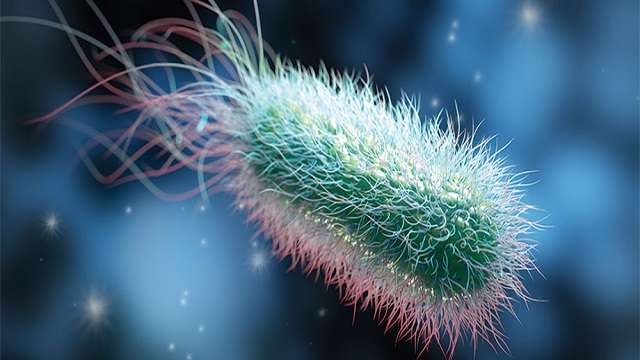
Bacteria: Magical Microbes That Help And Harm
Bacteria are tiny organisms that live all around us. They can sometimes make us sick or even be deadly, but they are also essential for life. Bonnie Bassler, a famous molecular biologist and professor at Princeton University, calls bacteria “magical microbes” because of their incredible abilities and potential in medicine, agriculture, and the environment.
Professor Bassler, best known for her work on bacterial communication, explained that bacteria can talk to each other in complex ways. She described them as “multilingual,” meaning they use many chemical signals to interact and coordinate their actions. This communication helps them adapt and survive, and scientists can learn a lot from it about how collective behaviors evolved on Earth.
Speaking at a lecture titled “A chemical language that enables communication between diverse organisms”, Prof. Bassler highlighted the importance of bacteria in our daily lives.
Bacteria are not only crucial for human health, but they also play important roles in environmental processes and agriculture. For example, certain bacteria help clean the environment, break down waste, or improve soil fertility for farming.
In short, while bacteria can sometimes be harmful, they are also remarkable organisms that keep life going and offer great opportunities for scientific discoveries. Understanding bacteria better could lead to new medicines, better farming techniques, and solutions for environmental problems.