
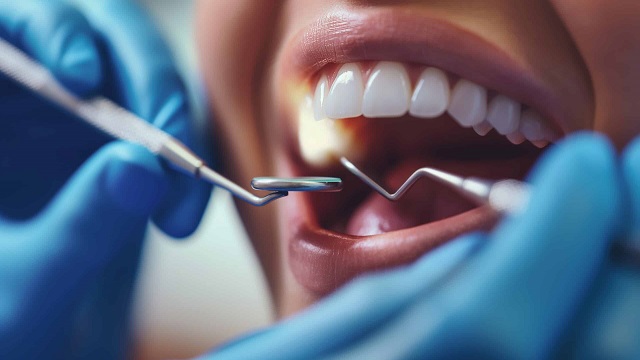
Preventing Cavities: The New Era of Dentistry
As a dentist, I used to feel a little sad whenever parents brought their child in for the first time, usually because of a dental emergency—a swollen cheek, a painful tooth, or a visible cavity. For many children, this visit became their first memory of a dental clinic, and it was often filled with fear: the bright lights, the strange smells, and the scary sound of the drill. For decades, dentistry followed the same routine: wait until it hurts, then fix it.
Fortunately, that way of thinking is changing.
Paediatric dentistry today is experiencing a quiet but important revolution. We now know that waiting for dental problems to appear is not the best approach. Tooth decay does not have to be a normal part of growing up, and most cavities can be prevented if we start early. Regular check-ups, proper oral hygiene, and early guidance about diet and brushing habits are the tools that make this possible.
The emphasis is shifting from just repairing teeth after damage occurs to preventing problems before they start. Dentists are now focusing on creating a positive, fear-free experience for children, helping them feel comfortable and confident at the clinic. Education for parents has also become a key part of this approach, ensuring that children get the right care at home too.
This change benefits everyone—children, parents, and dentists alike. Children experience less pain and fear, parents have peace of mind, and dentists can focus on promoting long-term oral health instead of just fixing emergencies. The result is healthier, happier smiles and a generation of kids who grow up with positive dental experiences.
Preventive paediatric dentistry is not just about treating teeth—it’s about teaching lifelong habits, reducing anxiety, and ensuring that children associate dental care with care and comfort rather than fear and pain. The future of dentistry is bright, and it starts with prevention.