
Radiofrequency Ablation Offers Relief for Chronic Pain
Chronic pain is no longer a problem that affects only older people or those who have suffered serious injuries. Today, many young adults, professionals, and athletes also experience long-term pain. This condition can lead to several difficulties such as problems at work, poor sleep, limited movement, and even mental health issues. Because of these challenges, chronic pain has become one of the most common reasons people visit doctors.
However, managing chronic pain is often difficult. Many patients are treated with pain-relief medicines and physiotherapy, but these methods may only provide temporary relief. In many cases, people continue to experience pain for a long time because the treatment focuses mainly on reducing symptoms rather than solving the root cause of the problem.
Because of this, doctors are exploring more effective and long-lasting treatment options. One such method is Radiofrequency Ablation (RFA). This treatment is becoming popular because it can help reduce chronic pain without the need for major surgery.
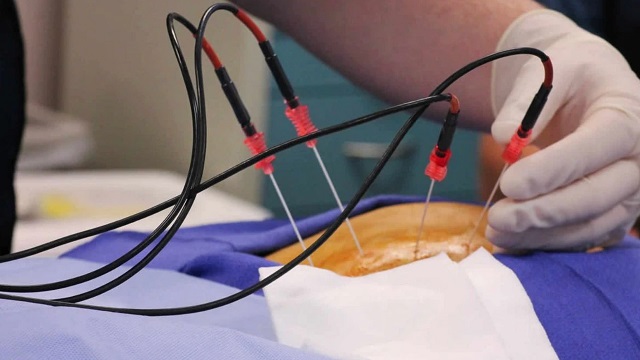
Radiofrequency Ablation is a minimally invasive and non-surgical procedure used to treat certain types of chronic pain. Unlike pain medicines that only block or reduce pain for a short period, RFA works by targeting the specific nerve that sends pain signals to the brain. The procedure uses controlled heat generated by radiofrequency energy to deactivate the nerve responsible for the pain.
During the treatment, doctors use real-time imaging techniques such as fluoroscopy or ultrasound to guide the procedure. This allows them to accurately locate the nerve causing the pain and treat it without damaging nearby healthy tissues. Because of this precise approach, the procedure is considered safe and effective for many patients.
Many pain specialists believe that RFA can help bridge the gap between temporary pain relief and long-term pain management. For people who have not found lasting relief through medication or physiotherapy, this procedure may offer a more sustainable solution.
As awareness about chronic pain continues to grow, treatments like Radiofrequency Ablation are giving patients new hope for better pain control and improved quality of life. With proper medical guidance, such advanced procedures may help people return to normal daily activities with less pain and discomfort.