
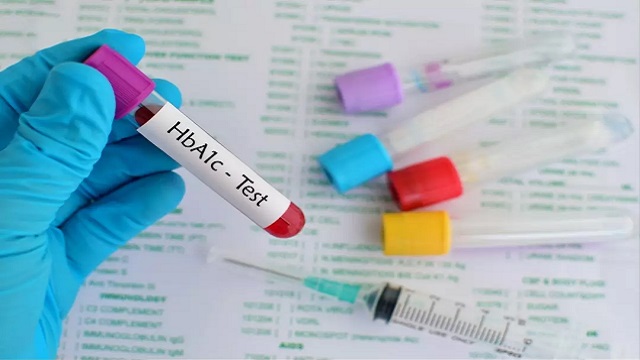
South Asia Blood Conditions Affect HbA1c Accuracy
The standard diabetes test, glycated haemoglobin (HbA1c), which is commonly used to diagnose and monitor type-2 diabetes (T2D), may not always give accurate results for people in South Asia, especially in India. This is because many people in the region have anaemia, blood disorders like sickle cell disease or thalassaemia, and G6PD deficiency, which can affect HbA1c readings.
A recent article published in Lancet Regional Health: Southeast Asia highlighted these concerns. The study suggests that relying only on HbA1c to diagnose or monitor type-2 diabetes may mislead doctors and patients in South Asia.
The review was led by Anoop Misra, chairman of the Fortis C-DOC Centre of Excellence for Diabetes. He explained that other tests, like fasting blood sugar or oral glucose tolerance tests, may be necessary in addition to HbA1c to get accurate results in this population.
The article emphasizes that doctors should consider local health factors, such as anaemia and genetic blood disorders, before depending solely on HbA1c. By using multiple methods to check blood sugar, healthcare providers can diagnose and monitor diabetes more accurately, helping patients get the right treatment.
This study is an important reminder that one-size-fits-all medical tests may not work equally well for all populations, especially in regions with high rates of blood-related conditions.