
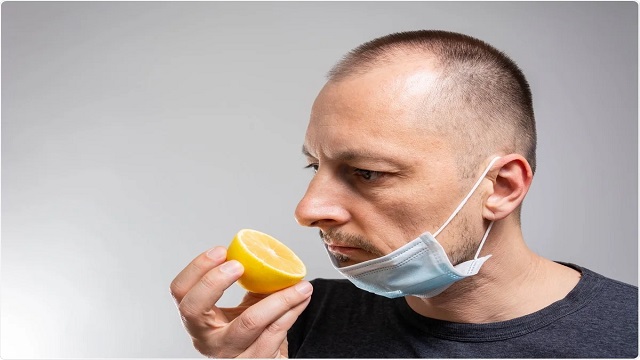
Study Links Long COVID to Lasting Taste Issues
A new study has provided important information about why some people continue to have taste problems after recovering from COVID-19. The research suggests that these long-lasting issues may be caused by small changes at the molecular level, rather than any visible damage to the tongue or taste organs.
Loss or change in taste is a common symptom during a COVID-19 infection and usually goes away within a few weeks. However, for some people, this problem continues for months or even years. This condition is often linked to what is known as Long COVID, where symptoms remain long after the initial infection.
To understand this better, researchers studied 28 people who were not hospitalised but still had taste problems more than a year after being infected with the virus. These participants reported ongoing issues with taste even after recovering from the illness.
The researchers used a method called the Waterless Empirical Taste Test to measure taste ability. The results showed that most participants had overall taste scores within the normal range. However, many still experienced specific problems. Only three people had very low overall taste ability, but 11 participants completely lost at least one type of taste, such as sweet, salty, sour, or bitter.
This shows that even if general taste ability seems normal, certain taste functions can still be affected. The study suggests that the problem may lie in how taste signals are processed at a microscopic level, rather than in physical damage to taste buds.
These findings are important because they help doctors better understand long-term symptoms of COVID-19. It also opens the door for new treatments that focus on restoring normal function at the molecular level. Overall, the study highlights that long-lasting taste problems are real and may need more attention and research to find effective solutions.