
Understanding DHT Hair Loss: Causes, Symptoms, and Treatments
DHT hair loss is a condition linked to high levels of dihydrotestosterone (DHT), a hormone derived from testosterone. Excess DHT can bind to hair follicle receptors, causing miniaturization and eventual hair stoppage. This form of hair loss is often genetic, affecting those with a family history of male or female pattern baldness, more prevalent in men but also impacting women with thinning.
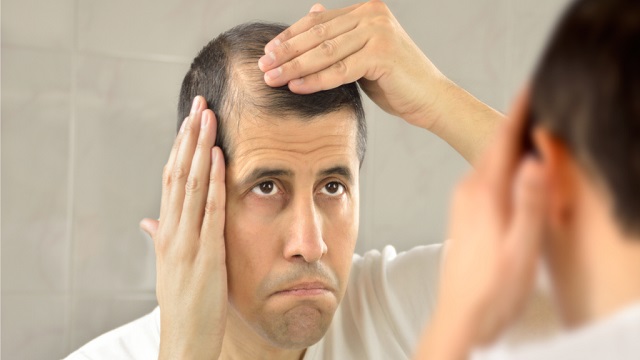
Signs include gradual hair loss, increased shedding, receding hairline, and crown thinning. Additional indicators may be acne or excessive facial/body hair due to high DHT levels. Consulting a healthcare provider for a blood test is advisable, though tests can sometimes miss elevated levels despite symptoms.
Treatment options include topical solutions like minoxidil (Rogaine) to stimulate growth, oral medications such as finasteride to block DHT production, and hormone therapy for women. Early treatment is more effective, so noticing signs early is crucial. However, self-assessment through shedding alone may not be reliable, as stress can cause similar symptoms.
Seeking professional diagnosis is recommended due to potential side effects of treatments like finasteride. While common in men, DHT hair loss also affects women, emphasizing the importance of timely medical advice for effective management.