
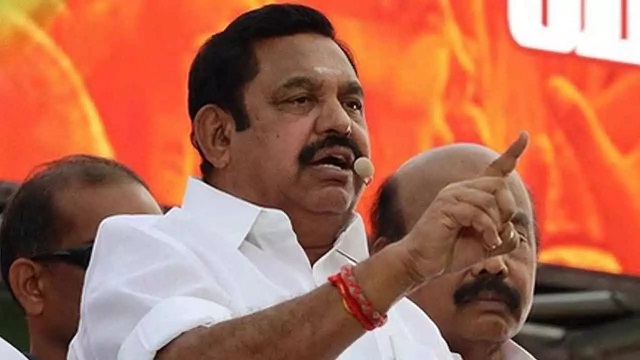
EPS Calls President Incident Deeply Saddening
Leaders of the National Democratic Alliance (NDA) in Tamil Nadu on Sunday criticised West Bengal Chief Minister Mamata Banerjee, accusing her of disrespecting President Droupadi Murmu during the President’s recent visit to West Bengal. The issue has sparked political reactions from several leaders, including those from Tamil Nadu.
AIADMK general secretary Edappadi K. Palaniswami expressed strong disappointment over the incident. In a message posted on social media platform X, he said it was “deeply saddening” that the President of India had to face such a situation during an official visit. He said that the office of the President is the highest constitutional position in the country and should always be treated with respect and dignity.
Palaniswami also said that political differences should not affect the respect shown to constitutional authorities. According to him, leaders across parties should maintain decorum when interacting with the President, who represents the unity of the nation.
Other leaders from the NDA in Tamil Nadu also criticised the West Bengal government over the matter. They said that any act seen as disrespectful to the President is unacceptable and should be avoided. The leaders emphasised that the President deserves the highest level of respect regardless of political affiliations.
The controversy comes after reports that certain events during President Droupadi Murmu’s visit to West Bengal were handled in a manner that some leaders considered inappropriate. However, details about the incident have been debated politically, with different parties presenting their own views.
Meanwhile, the issue has turned into a political discussion across several states, with NDA leaders demanding an explanation from the West Bengal government. Supporters of Mamata Banerjee and her party have also responded, defending the Chief Minister and rejecting the allegations.
Political observers say that such controversies often lead to heated debates between rival political parties. They also note that discussions around respect for constitutional offices frequently become part of larger political arguments between ruling and opposition parties at the national level.