
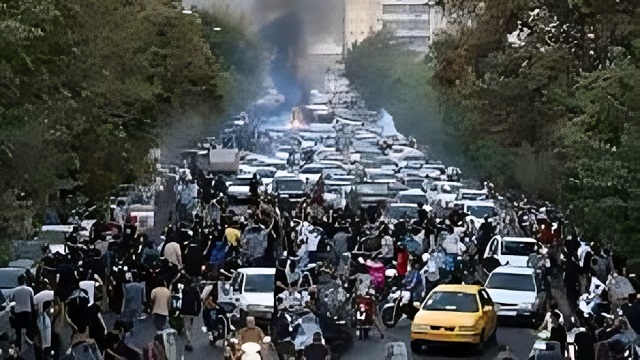
Iran Sees Biggest Protests in Three Years
Iran is facing its biggest wave of protests in the past three years, as nationwide unrest entered its tenth day on Tuesday, January 6. Security forces have increased their presence in major cities to control the situation. Meanwhile, U.S. President Donald Trump warned that he could support the protesters if violence continues to rise.
The protests began after the Iranian rial lost value sharply, leading to high inflation and a steep rise in the cost of living. What started in Tehran’s Grand Bazaar has now spread widely across the country. Demonstrations have been reported at more than 220 locations in at least 78 cities across up to 31 provinces.
Human rights organisations say the protests have turned deadly. According to reports, at least 16 to 20 people have been killed so far, and several hundred protesters have been detained by security forces.
During the protests, large crowds have been chanting slogans against the government and attacking symbols of state authority. The unrest has affected both big cities and smaller towns, showing widespread public anger.
This is the largest protest movement in Iran since the 2022–23 demonstrations that followed the death of Mahsa Amini in police custody. Observers say the current protests reflect growing frustration over economic hardship, inflation, and governance issues across the country.