
Japanese Women Fight for Right to Sterilization
In Japan, where the government is desperate to boost its falling birth rates, women who don’t want children are often seen as a problem. But for some women, being childfree isn’t just a choice – it’s their fundamental right.
Kazane Kajiya, now 29, had her fallopian tubes removed in the United States after Japan’s strict laws made it impossible for her to get sterilized at home. She was forced to leave the country because the Japanese government requires women to have multiple children or face life-threatening danger from pregnancy before they can consider sterilization.
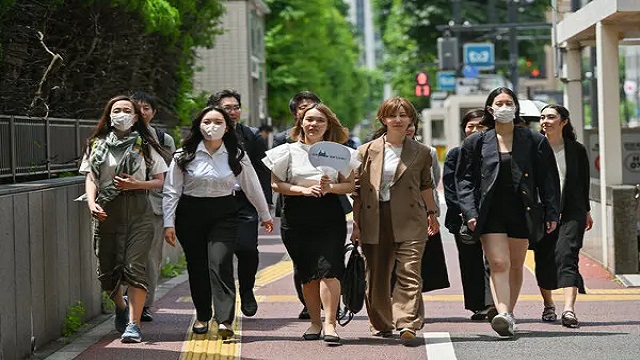
Kajiya and four other women are now challenging these laws, which they argue are a violation of their constitutional rights to bodily autonomy. They want the right to make their own decisions about their bodies without interference from the state.
The Japanese government’s “maternity protection” law is one of the world’s most restrictive barriers to sterilization. It requires women to have multiple children or face life-threatening danger from pregnancy before they can consider sterilization, and even then, spousal consent is required.
But these laws are not just about birth control – they’re also about societal expectations. In Japan, being childless is often seen as a problem, and women who don’t want to have children are sometimes viewed as incomplete or unfulfilled.
The lawsuit aims to establish that women have constitutional guaranteed rights to bodily freedom, placing sterilization on par with plastic surgery or tattooing. The lawyers argue that the current laws are based on outdated patriarchal attitudes towards women and their bodies.
For Kajiya and her fellow plaintiffs, sterilization is not just a personal decision – it’s also a political statement against the Japanese government’s restrictive policies. They want to be able to make their own decisions about their bodies without interference from the state, and they’re willing to fight for that right.
As one of the plaintiffs, Rena Sato, put it: “I don’t want to live in a society where women are forced to maintain their fertility against their will. I want to be free to make my own choices about my body.”