
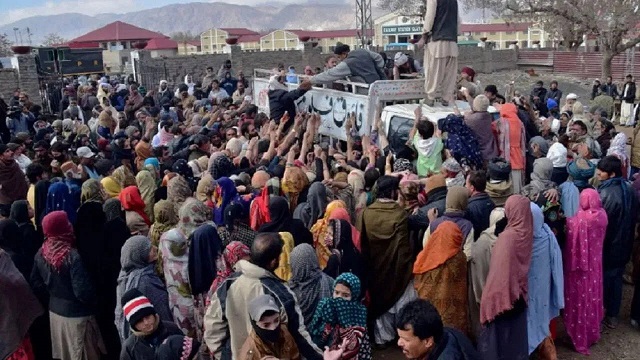
Pakistan’s Growing Poverty Crisis
Pakistan is facing a serious and growing poverty crisis. The main reason behind this problem is weak institutions that are not able to protect people’s incomes, create enough job opportunities, or support citizens during difficult times.
Recent government data shows a clear rise in poverty. In 2018–19, about 21.9% of the population was living below the poverty line. By 2024–25, this number increased to 28.9%. This sharp rise means millions more people are struggling to afford basic needs like food, housing, and healthcare.
One of the biggest causes of this situation is poor governance. Frequent political changes, lack of long-term planning, and corruption have made it difficult to build strong systems. Social safety programs are also not strong enough, so many people do not get financial help when they lose jobs or face emergencies.
The problem has become worse due to several external challenges. Economic slowdowns, rising prices, and natural disasters have affected people’s lives. Global events like the COVID-19 pandemic also had a major impact, as many people lost their jobs and incomes during that period.
In rural areas, the situation is even more difficult. Many families depend on farming, which is often affected by weather conditions and lack of resources. In cities, unemployment and rising living costs have made life harder for low-income families.
Another major issue is limited access to quality education and healthcare. Without proper education, people find it harder to get good jobs. Poor healthcare systems also mean that families spend a lot of money on treatment, pushing them further into poverty.
The government has introduced different policies and programs over the years to reduce poverty. However, these efforts have not been very successful due to weak implementation and lack of proper planning. Experts believe that real change can only happen if Pakistan builds strong and transparent institutions.
Improving governance, creating more jobs, investing in education, and strengthening social welfare programs are some of the key steps needed. These changes can help protect people during tough times and give them better opportunities for the future.
If these issues are not addressed, poverty in Pakistan may continue to rise. But with the right reforms and strong institutions, the country can slowly reduce poverty and improve the quality of life for its people.