
Sri Lanka Approves Power Transmission Joint Venture
The article talks about the approval by Sri Lanka’s government for this project. It mentions Intend, a joint venture between two companies. I should explain what a joint venture is in simple terms to make sure the reader understands it.
I’ll also need to convey that this project will connect wind energy projects in the northern region, which implies it’s part of renewable energy efforts. Highlighting the benefits, like improving the power supply and connecting remote areas, would add value.
The technical details about the transmission line—28 kilometers, 220 KV double-circuit—are important for context but might be too specific. I can mention them briefly without getting too bogged down in numbers unless they’re critical to understanding the project’s scale.
I should also include the spokesperson’s statement, as it adds credibility and official approval. Mentioning the contract value gives an idea of the project’s size and economic impact.
I need to structure this information clearly: start with the approval, explain what the joint venture entails, describe the project’s scope, and mention the benefits and the spokesperson’s confirmation. Keeping each paragraph short will make it easier to read.
Finally, I’ll wrap it up by emphasizing how this project supports Sri Lanka’s renewable energy goals, which ties into global trends towards sustainability.
Let me put all these points together in a simple, flowing manner without losing any important information. Make sure each sentence is clear and the overall content meets the word limit.
TITLE: Sri Lanka Approves Power Transmission Joint Venture
CONTENT: The government of Sri Lanka has given its approval for an Indian-Sri Lankan partnership to develop a crucial power transmission project in the country’s northern region. This initiative aims to connect wind energy projects, enhancing the island nation’s renewable energy capacity.
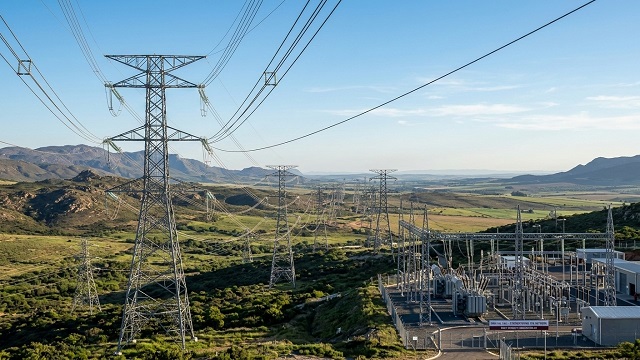
The joint venture, named Intend, is a collaboration between Jyoti Structure Limited from India and Hayleys Fentons Limited from Sri Lanka. According to Nalinda Jayatissa, the cabinet spokesperson and minister, this project has been officially endorsed by the government. The contract, worth 2.27 billion Sri Lankan rupees (excluding taxes), involves constructing a 28-kilometer-long, 220 kilovolt double-circuit transmission line. This line will link the Mannar grid substation to the Mullikulam grid substation, improving power distribution in the area.
This project is expected to strengthen Sri Lanka’s energy infrastructure by connecting remote and underdeveloped regions to the main power grid. It will also support the country’s growing renewable energy sector, particularly wind energy projects in the north. The initiative aligns with Sri Lanka’s broader goals of expanding clean energy sources and improving access to electricity for all citizens.
The approval marks an important step in boosting the island nation’s power supply while fostering collaboration between Indian and Sri Lankan companies. This partnership not only addresses immediate energy needs but also sets the stage for future renewable energy projects, contributing to the country’s sustainable development.