
T20 World Cup: Emerging Teams Seek Global Recognition
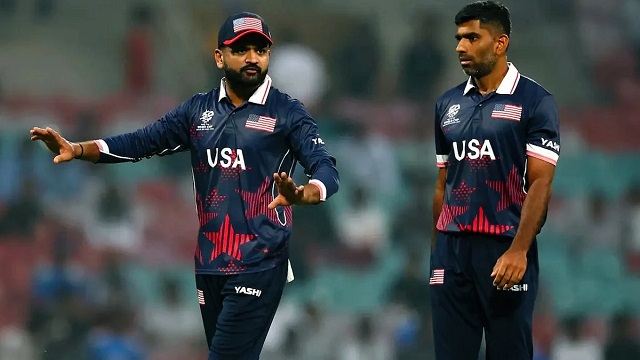
The ICC T20 World Cup is considered one of the most important events for emerging cricket teams to display their growth and progress. In the two years since the last tournament, these teams have worked hard to improve their skills, strategies, and overall performance. Unlike the ODI World Cup, which occurs every four years, the T20 World Cup is held every two years. This frequent schedule gives Associate nations and smaller teams more opportunities to compete against the top full-member teams and potentially create upsets.
Despite this opportunity, the current edition of the tournament has not yet seen many surprises. While Zimbabwe’s win over Australia was notable, it is important to remember that Zimbabwe is a full-member team with experience and has achieved similar wins in past ODI World Cups. This highlights the challenge for emerging Associate teams, who are still learning to compete at the highest level.
For smaller teams, the T20 World Cup serves multiple purposes. It allows them to gain valuable experience on the international stage, understand the pressures of high-level competition, and test their abilities against stronger opponents. Performing well, even in a losing cause, can boost confidence and provide lessons for future tournaments.
Additionally, the T20 format itself favors exciting, fast-paced cricket, which sometimes gives underdog teams an opportunity to surprise stronger sides with innovative strategies, quick scoring, and unexpected performances. Over time, as these emerging teams gain more exposure and resources, they are likely to become more competitive and capable of challenging full-member nations consistently.
Overall, the T20 World Cup is not just a tournament; it is a platform for growth, learning, and showcasing talent. It gives emerging cricket nations a chance to measure their progress, gain recognition, and inspire the next generation of players in their countries. While upsets may be rare in this edition, the tournament remains a vital stage for development and exposure for all participating teams.