
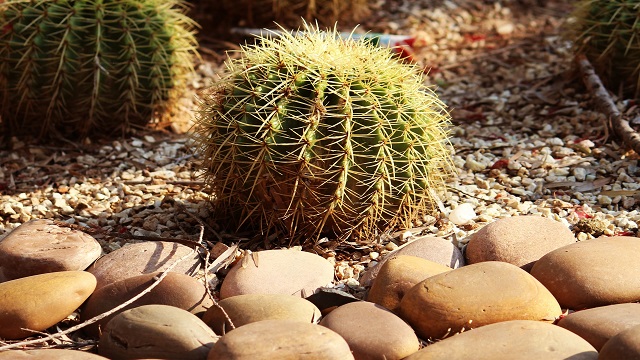
Cacti Found to Evolve Rapidly, Defying Expectations
Cacti are often seen as slow-growing plants that survive in harsh desert conditions, but new research shows that they may actually be some of the fastest-evolving plants on Earth. This challenges the old belief that cacti change very slowly over time.
Scientists from the University of Reading carried out a study, published in Biology Letters, to investigate how cacti form new species. They discovered that cacti are able to develop new species quickly, but not because of the size of their flowers or the type of pollinators that visit them.
The real reason behind their rapid evolution is how quickly the shape of their flowers changes over time. Even small changes in flower shape can help cacti adapt to their surroundings. This ability to adapt allows them to survive and thrive in very different environments, including deserts where water and nutrients are scarce.
The study reveals that cacti are more flexible and dynamic than scientists previously thought. Their rapid evolution explains why there are so many different species of cacti today. It also gives new insights into how plants, even in extreme conditions, can change and adapt faster than expected.
This research changes the way scientists understand plant evolution. Instead of being seen only as slow-growing desert survivors, cacti are now recognized as fast-evolving plants. Their ability to quickly adapt and form new species shows how life can thrive even in some of the toughest environments on Earth.
With this discovery, researchers are excited to study other plants in deserts and extreme habitats, as it may reveal more examples of rapid evolution that were previously overlooked. Cacti are proving that even plants we think of as slow and steady can be surprisingly quick to evolve.