
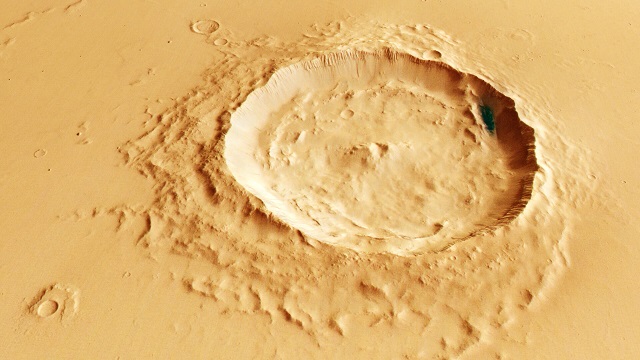
Strong Martian Winds Carve Grooves, ESA Finds
Recent observations from the European Space Agency’s (ESA) Mars Express spacecraft have shown how winds on Mars are dramatically shaping the planet’s surface.
Near the Martian equator, strong gusts act like natural sandblasters, picking up sand grains and carving grooves and lines into the terrain. These winds are powerful enough to move small particles across the surface, slowly changing the landscape over time.
The linear features created by this wind erosion can stretch for tens of kilometres, showing that Mars is still geologically active, even without liquid water on its surface. Scientists say these changes provide important clues about the planet’s climate and the forces that shape its deserts and valleys.
These findings also help researchers better understand how wind-driven processes might affect future missions, rovers, and even human exploration on Mars.