
Iran Vows to Continue Fight Amid Rising Tensions
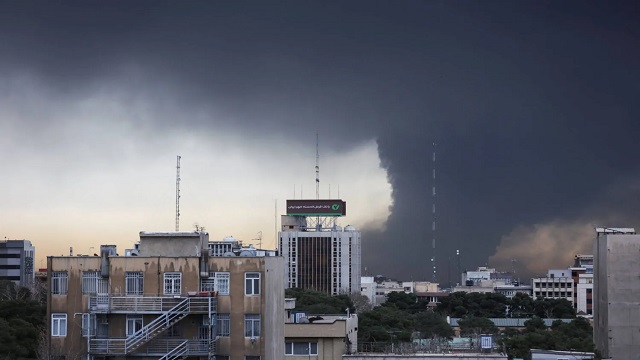
Abbas Araghchi said on Tuesday (March 10, 2026) that Iran will continue fighting for as long as necessary, rejecting claims by Donald Trump that the conflict could end soon. His remarks come as tensions continue to rise across West Asia, with military actions and threats increasing in several countries.
According to reports, Iran launched new attacks on Gulf Arab countries, including the United Arab Emirates, Saudi Arabia, and Kuwait. These attacks are seen as part of Iran’s effort to maintain pressure in the region during the ongoing conflict.
At the same time, an airstrike in northern Iraq reportedly killed five militants believed to be linked to pro-Iranian groups. The incident highlights how the conflict is spreading beyond one country and affecting multiple areas across the region.
Earlier, on Monday (March 9, 2026), President Trump warned that the United States would respond strongly if Iran attempted to block oil shipments through the Strait of Hormuz. He said Washington would take much stronger action if Tehran interfered with the flow of oil through the narrow waterway.
A large portion of the global oil supply passes through this narrow passage connecting the Persian Gulf to international waters. Due to rising tensions and security fears, commercial shipping in the area has dropped sharply, with many vessels avoiding the route.
Meanwhile, a new investigation on Monday suggested that the United States may have been responsible for a strike on an Iranian school, which reportedly killed 165 people. The investigation identified the weapon used as a Tomahawk cruise missile, a type of long-range missile that is known to be used by U.S. forces in the conflict.
The report has further increased tensions and accusations between the sides involved in the war. Analysts warn that such incidents could intensify the conflict and lead to wider regional instability, affecting global oil supplies, international trade, and diplomatic relations.
Experts also say that continued disruptions around the Strait of Hormuz could have serious economic consequences worldwide, as many countries depend heavily on oil transported through the route.