
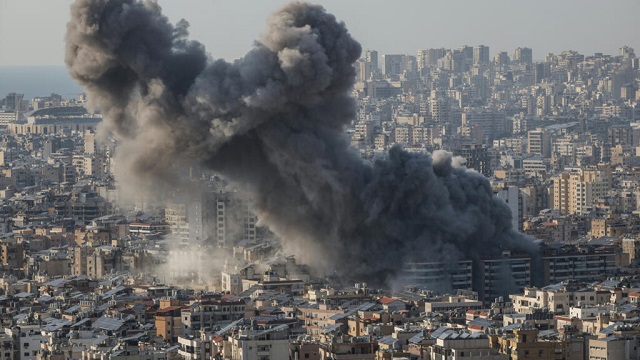
Drone Attacks, Airstrikes Escalate Middle East Conflict
Drone attacks caused a major fire at the Mina Al-Ahmadi oil refinery in Kuwait on Friday, March 20, 2026, according to state media reports. The refinery is one of the country’s key energy facilities, and the incident has raised serious concerns about the safety of oil infrastructure in the region. Officials in several Gulf countries said they are actively responding to these attacks, which are believed to be linked to Iran.
At the same time, Israel launched heavy airstrikes on Tehran, further increasing tensions. The strikes came during Nowruz, the Persian New Year, a time usually marked by celebrations and gatherings in Iran. The timing of the attacks has added emotional and political intensity to the situation.
The conflict is now having a wider impact beyond the countries directly involved. Oil facilities and shipping routes in the Gulf region are under threat, which is causing concern in global energy markets. Any disruption in oil supply from this region can lead to higher fuel prices and economic uncertainty worldwide.
There are also growing fears that the conflict could expand further. Gulf Arab countries are on high alert, and there is a risk that more nations could be drawn into the crisis if attacks continue. This could turn the situation into a larger regional conflict.
Security has been tightened across key locations, and governments are closely monitoring developments. Experts warn that continued attacks on major infrastructure like refineries and cities could worsen the situation and make it harder to control.
Overall, the rising tensions, combined with attacks on important energy sites and major cities, are increasing the chances of a larger conflict. The situation remains unstable, with serious concerns about both regional security and the global economy.