
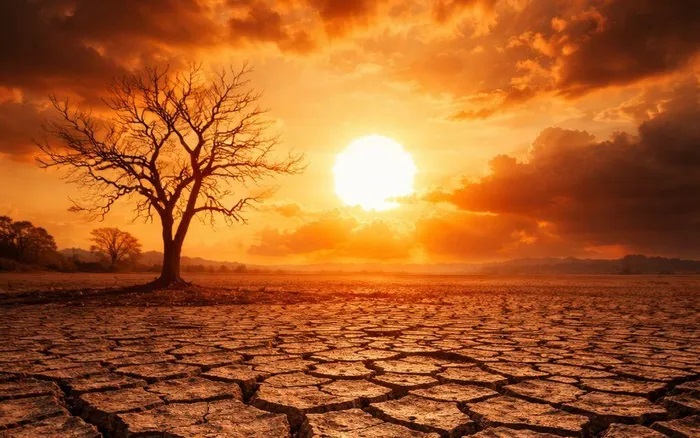
UN Warns of Extreme Heat Risk from El Niño
The United Nations weather agency has warned of a potentially strong El Niño event starting in June 2026. This climate phenomenon is expected to increase global temperatures and raise the risk of extreme weather over the next few months. El Niño occurs when sea surface temperatures in the Pacific Ocean become unusually warm, typically lasting nine to twelve months.
The World Meteorological Organization (WMO) predicts higher-than-average temperatures across most regions from June to August. It is likely that this El Niño will continue until November. WMO officials have urged preparedness for its effects, which could worsen droughts and heavy rainfall, as well as increase the risk of heatwaves.
El Niño can bring warmer weather globally while causing increased rainfall in areas like southern South America, parts of Africa, and Central Asia. It may also lead to droughts in regions such as Australia and Indonesia, and contribute to more hurricanes in the Pacific.
The most recent El Niño, which occurred from 2023 to 2024, helped make 2024 the hottest year on record. This event could further strain food and water systems, increase heat-related illnesses, and spread diseases carried by insects.
A rapid rise in sea surface temperatures in the Pacific since late April suggests El Niño is developing. Unusually warm subsurface conditions have been observed, with temperatures exceeding 6 degrees Celsius above average, contributing to surface warming.
While some agencies predict the strongest El Niño in a decade, there remains uncertainty about its strength. UN Secretary-General António Guterres has called for urgent action to address this climate warning and shift toward renewable energy.
Although climate change does not increase the frequency of El Niño itself, it can worsen its impacts, such as extreme heatwaves and heavy rainfall. The world must treat this event as a critical climate warning and prepare accordingly.