
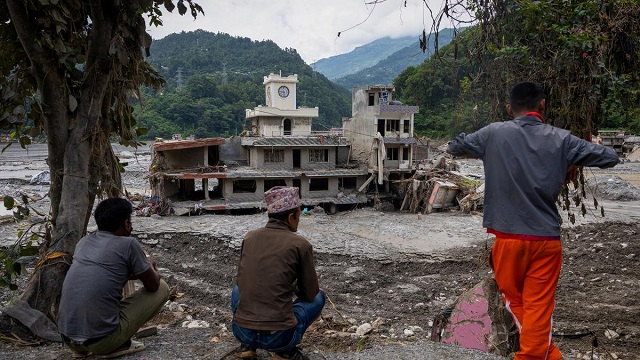
Nepal Flash Floods Toll Climbs to 1,355
The death toll from severe flash floods in Nepal has risen to at least 1,355 people, according to officials. The disaster was caused by heavy monsoon rains that brought large amounts of water to several areas, causing rivers to overflow and flooding villages and farmland.
The floods have affected several regions, with the Kosi River basin in eastern Nepal and northern parts of India among the worst-hit areas. Homes, roads, bridges, agricultural land, and other important infrastructure have been damaged or destroyed.
Thousands of families have been forced to leave their homes because of the rising floodwaters. Many survivors are now staying in temporary shelters or with relatives while waiting for help and information about their homes.
Rescue teams and emergency workers are continuing their efforts to reach people trapped in affected areas. However, the rescue operation has been difficult because floods have been followed by landslides and road blockages. In some places, damaged roads and bridges have made it extremely difficult for rescue teams to reach remote villages.
A large number of people are also reported to be missing. Officials are still trying to collect information from different affected areas, but damaged communication networks have made this process difficult. As rescue teams reach more communities and search operations continue, the number of casualties could increase.
The disaster has also created serious problems for food and water supplies. Many communities have lost access to clean drinking water, while shops, farms, and food storage facilities have been damaged. Survivors urgently need food, bottled or treated water, medicines, clothing, and other essential supplies.
Health workers are also concerned about the risk of diseases following the floods. Standing water and poor sanitation can increase the spread of infections. Providing clean water and proper sanitation facilities has therefore become an important part of the emergency response.
The floods have caused major damage to farmland, creating additional concerns for families who depend on agriculture for their income. The destruction of crops and livestock could affect food supplies and the livelihoods of thousands of people in the coming months.
Nepal’s government is coordinating rescue and relief operations but faces major challenges because of the scale of the disaster. Officials have appealed for international assistance to help provide emergency supplies and support recovery efforts.
International aid could help Nepal provide food, medical care, temporary shelters, clean water, and other essential services to affected communities. Rebuilding damaged roads, bridges, homes, schools, and public facilities will also require significant resources.
As the floodwaters begin to recede in some areas, the full extent of the destruction is becoming clearer. Rescue workers are continuing to search for missing people, while authorities are assessing the damage and identifying communities that need immediate assistance.
For thousands of families, the priority is now to find safe shelter and access basic necessities. The government and relief agencies face a major task in helping survivors recover from one of the country’s most devastating flood disasters.
The situation remains critical, and authorities are urging people in vulnerable areas to remain alert and follow safety instructions. Rescue and relief operations are expected to continue as officials work to reach isolated communities and provide assistance to those affected.