
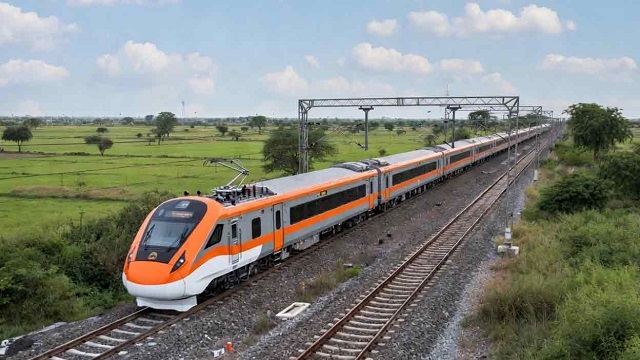
Land acquisition before approvals? The rush behind Telangana’s bullet train hub
Plans to develop a bullet train hub in Telangana have sparked debate over the speed at which the project is moving forward. Railway Minister Ashwini Vaishnaw and Union Minister G. Kishan Reddy have reportedly focused on speeding up land acquisition to move the project ahead. However, the approach has raised questions about whether all the necessary approvals and assessments are being properly completed before construction activities begin.
Critics have expressed concerns that the rush to acquire land could affect important procedures, including environmental clearances, safety assessments, and legal approvals. They argue that these steps are necessary to ensure the project does not create problems for local communities or the surrounding environment. Moving forward without completing the required checks could also result in legal disputes over land ownership and compensation.
Some experts have warned that speeding up the initial stages of a major infrastructure project without proper planning could create difficulties in the future. Environmental concerns, land-related disagreements, and delays caused by legal challenges could increase project costs and affect its completion timeline. They have stressed that careful planning and transparent procedures are important for avoiding such complications.
On the other hand, officials believe that quick action is necessary to support India’s ambitious railway modernisation and transportation development plans. High-speed rail projects are expected to improve travel connectivity, reduce journey times, and encourage economic development. Faster progress on land acquisition is also seen as an important step towards preparing the required infrastructure.
The proposed bullet train hub is expected to strengthen Telangana’s connectivity and create new opportunities for business, investment, and employment. Improved transportation facilities could also support regional development and make travel between major cities more convenient.
However, the debate highlights the importance of balancing development with environmental protection, public safety, and the rights of local communities. Ensuring that all necessary approvals are obtained and land acquisition is carried out fairly will be essential for the project’s long-term success. Proper planning and coordination between government departments could help prevent future disputes and ensure that the infrastructure development benefits the public.