
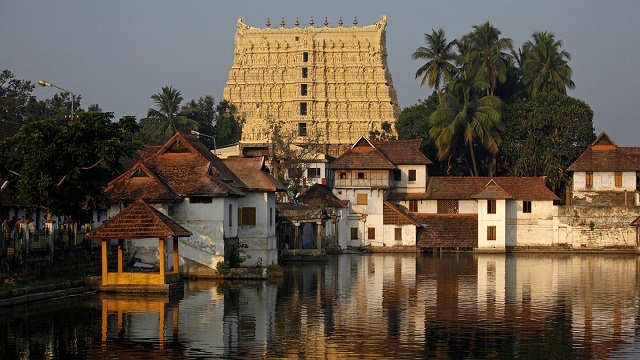
A Historic Change in Travancore Temples
The Temple Entry Proclamation, issued on November 12, 1936, in the former princely state of Travancore, was an important milestone in India’s social reform history. It allowed Hindus from all castes, including communities that had previously faced discrimination, to enter temples. However, this historic decision was not simply an act of kindness by the royal family. It was the result of many years of social reform movements, public campaigns, political discussions, and continuous pressure from oppressed communities and progressive leaders.
The movement for temple entry began almost two decades before the proclamation was issued. Several individuals and organisations started questioning the unfair practices that prevented lower-caste Hindus from entering temples. A retired High Court judge was among the early voices who raised concerns about caste-based restrictions. His efforts helped bring attention to the need for equal religious rights and social justice.
Later, an Ezhava legislator played an important role in taking the issue to a wider audience. Through newspapers and public discussions, he highlighted the discrimination faced by lower-caste communities and called for changes in existing social practices. His efforts helped spread awareness and encouraged more people to support the demand for equal access to temples.
The Sree Moolam Popular Assembly also became an important platform for raising the issue. Members used discussions and political representation to bring attention to caste discrimination and the need for temple entry reforms. These efforts gradually increased public pressure on the Travancore administration to reconsider its traditional restrictions.
As the movement gained strength, support also came from progressive members of upper-caste Hindu communities who believed that religious places should be accessible to all Hindus. Social reformers, community leaders, and activists continued to demand an end to caste-based discrimination.
Finally, on November 12, 1936, the Travancore royal family issued the Temple Entry Proclamation, allowing Hindus of all castes to enter temples under the state’s control. The decision marked a major change in the region’s social and religious history and challenged long-standing caste-based practices.
The proclamation was more than a royal announcement. It represented the outcome of years of public struggle, social awareness, political efforts, and demands for equality. It opened a new chapter in Travancore’s history and became an important example of how collective action and sustained reform movements could bring meaningful social change.