
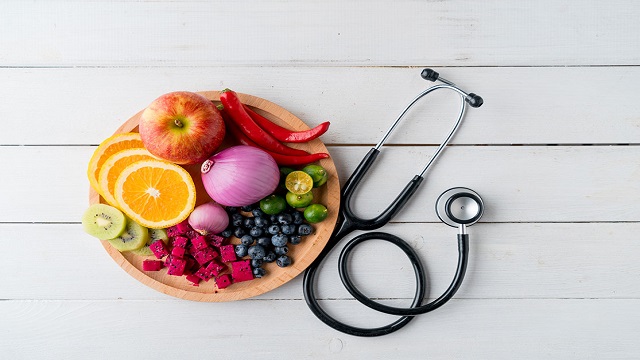
Food as Medicine: A Health Approach
Scientific research shows how our eating habits can either harm or improve our health. For example, a healthy diet can help manage chronic conditions like diabetes, heart disease, and high blood pressure.
This is where the idea of “food as medicine” comes in. This approach involves prescribing healthy foods—such as fruits, vegetables, and some proteins—as part of treatment plans to prevent, manage, or treat specific health issues. The goal is to highlight how important food can be for overall wellness, just like medication.
Two researchers share their experience running food as medicine programs in rural Mississippi. These programs provide healthy food through methods like food boxes, vouchers, or specially prepared meals. They often partner with organizations and healthcare providers to help people with chronic conditions while reducing healthcare costs.
In recent years, these programs have become vital for those facing food insecurity. In 2024 alone, over 47 million Americans, including millions of children, lived in households that struggled to afford enough food. Globally, about 673 million people face hunger, with rural areas being particularly affected. Unlike traditional food banks, these programs focus on providing healthy, nutritious foods tailored to specific health needs.
The concept of food as medicine isn’t new—it began over 60 years ago when doctors started prescribing food for malnutrition. Today, it has gained attention again through initiatives like the “Eat Real Food” campaign in the U.S. and international efforts like the Food Is Medicine Global Alliance. These groups aim to make these programs more widespread by 2030.
Studies show that food as medicine can improve diet quality and health outcomes for those with chronic conditions, such as diabetes. However, more research is needed to fully understand its long-term benefits, especially since many programs are small or lack funding. Challenges like rising food prices and supply shortages also affect how these programs operate.
Overall, the idea of using food as medicine makes sense intuitively, but larger and better-quality studies are needed to confirm its effectiveness in treating chronic illnesses. If proven successful, this approach could change how doctors view diet as part of treatment plans.