
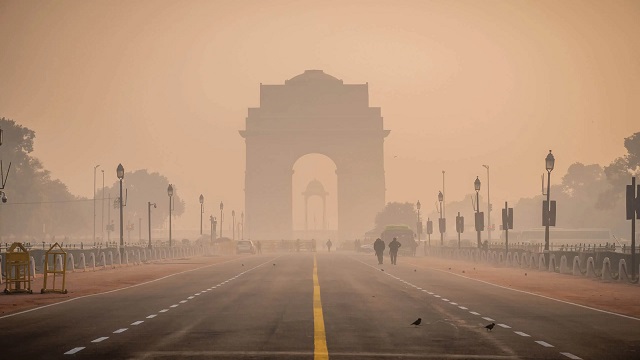
India’s Pollution Crisis Affects Mental Health
India’s growing environmental challenges are affecting not only people’s physical health but also their mental well-being. Extreme weather events such as heatwaves, floods and droughts, along with rising air pollution, are creating health risks that can affect people’s daily lives.
High temperatures during heatwaves can cause dehydration, heat exhaustion and other serious health problems. Air pollution can damage the respiratory and cardiovascular systems, increasing the risk of breathing difficulties and heart-related illnesses. Floods and droughts can also destroy homes, damage agricultural land and affect people’s sources of income.
However, the impact of environmental problems goes beyond physical illness. Experts have increasingly highlighted the connection between environmental stress and mental health. Prolonged exposure to extreme heat, pollution and natural disasters can contribute to anxiety, stress, sleep disturbances and changes in mood.
Heatwaves, in particular, can affect sleep quality. High nighttime temperatures make it difficult for people to rest properly, leading to tiredness, irritation and reduced concentration during the day. Continuous sleep disturbances can also affect emotional well-being.
Natural disasters can create deeper psychological challenges. People who lose their homes, businesses or agricultural livelihoods during floods and droughts may experience fear, uncertainty and emotional distress. The loss of financial security and displacement from familiar surroundings can increase the risk of anxiety and depression.
Air pollution may also affect mental well-being. Along with its established effects on physical health, emerging research is examining possible links between long-term exposure to polluted air and mental health conditions.
People who are already living with psychiatric conditions may face additional difficulties during extreme weather events. Disrupted medical services, changes in daily routines, poor sleep and increased environmental stress can make it harder for them to manage existing symptoms.
The growing connection between environmental conditions and mental health highlights the need for a broader public health response. Improving air quality, preparing communities for extreme weather, protecting vulnerable populations and ensuring access to mental healthcare are important steps towards reducing these risks.
As climate-related challenges continue to affect communities across India, protecting public health must include both physical and psychological well-being.