
UK and EU Reach Agreement on Trade Deals and Youth Employment
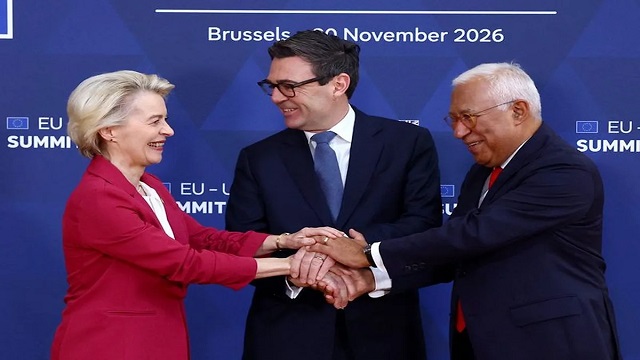
The United Kingdom (UK) and the European Union (EU) have reached a series of new agreements to strengthen their economic relationship and create more opportunities for young people. The agreements were announced following a summit held in Brussels on November 20, 2026. The discussions focused on reducing trade barriers, improving business opportunities and encouraging youth mobility between the two sides.
One of the major agreements focuses on making food and agricultural trade easier. Under the new arrangement, businesses will face fewer health certificates, inspections and other paperwork when moving products such as meat, dairy, fish, fruits and vegetables between the UK and EU. The agreement is expected to reduce business costs, improve trade and make some products more affordable for consumers. The new arrangements are scheduled to come into effect in March 2028.
Another important part of the agreement is the Youth Experience Scheme. It will allow up to 100,000 young people from the UK and another 100,000 from EU countries to live, work, study, volunteer or travel in each other’s territories every year. The scheme will be open to people aged between 18 and 31 and will allow them to stay for up to three years.
The programme is expected to provide young people with opportunities to gain international work experience, improve their skills and learn about different cultures. Both sides aim to make the scheme available by January 2030.
The UK and EU have also agreed to link their emissions trading systems from 2028. This will allow companies to use carbon permits across both markets and help reduce additional carbon-related costs for certain industries, including steel and aluminium. The UK government estimates that this arrangement could add around £3.8 billion to its economy every year.
The two sides have also agreed to continue discussions on education and student opportunities. They plan to negotiate an agreement on university tuition fees for UK and EU students within six months. The aim is to make higher education more accessible to students on both sides.
Apart from trade and employment, the UK and EU have agreed to strengthen cooperation in areas such as energy, security, technology and supply chains. They also plan to improve coordination on economic challenges and support long-term growth.
The agreements mark an important step in rebuilding relations following Britain’s exit from the European Union in 2020. However, the UK has made it clear that it does not plan to rejoin the EU, its customs union or its single market.
Both sides hope the new arrangements will improve trade, create opportunities for young people and strengthen their partnership in the coming years.