
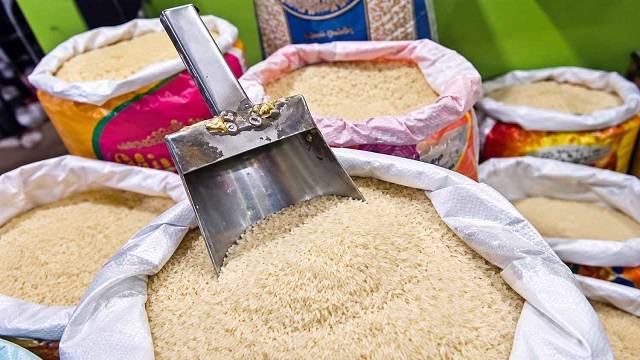
Andhra Pradesh Caps Rice Prices to Control Inflation
The Andhra Pradesh government has introduced new measures to control rising rice prices and prevent traders from storing large quantities of rice for higher profits. The government has imposed stock limits on rice millers, wholesalers and retailers and fixed maximum selling prices for different varieties of rice.
The new restrictions will remain in force until January 31, 2027. The move aims to prevent hoarding and black marketing while making rice available to consumers at reasonable prices.
Under the new rules, the maximum price for common varieties of rice has been fixed at Rs 47 per kg. BPT 3291 (Sona) and BPT 5204 (Samba), along with KNM varieties, will cost up to Rs 66 per kg. HMT and RNR varieties have been fixed at Rs 76 per kg, while Jai Sriram rice will cost up to Rs 82 per kg.
The government has also instructed all shops and business establishments selling rice to display price boards at their entrances. The boards must clearly show the prices of different rice varieties so that customers can check the rates before making a purchase.
Rice millers, wholesalers and retailers have also been asked to follow the stock limits fixed by the government. They must maintain proper records of their purchases, sales and available stocks. Businesses covered by the rules must also register their stock details on the Central government’s Food Stock Portal and update the information every Friday.
Chief Minister N. Chandrababu Naidu has directed officials to closely monitor rice and paddy stocks across the state. He warned against illegal storage, diversion of stocks and activities that could create an artificial shortage in the market. Officials have been asked to conduct regular inspections and take action against traders who violate the rules.
Apart from controlling rice prices, the state government is preparing a wider plan to reduce the cost of essential food items. During a review meeting held on November 20, Naidu directed officials to prepare a year-long action plan and monitor market prices regularly.
The Chief Minister said the government was ready to spend up to Rs 100 crore every month on market intervention to prevent rising prices from affecting ordinary families. He also stressed that farmers should receive fair prices for their produce while consumers should be protected from high market rates.
Civil Supplies Minister Nadendla Manohar announced that selected essential commodities would be sold at subsidised prices through ration shops from December 1. Toor dal will be available at Rs 100 per kg, wheat flour at Rs 25 per kg and palm oil at Rs 125 per litre.
The government is also selling onions at Rs 35 per kg through Rythu Bazaars. In addition, affordable rice under the Dharani brand is being sold at these markets, and arrangements are being made to distribute it through mobile vehicles.
Through these measures, the Andhra Pradesh government aims to control the prices of essential commodities, prevent illegal trading and provide relief to consumers. Officials will continue to monitor market conditions and review the effectiveness of the measures.