
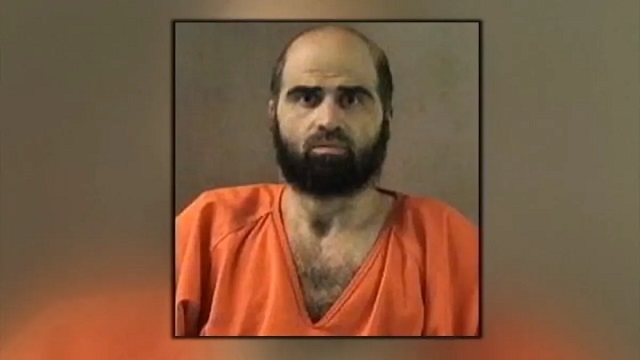
Fort Hood Survivors Denied Execution Attendance
Three survivors of the 2009 Fort Hood shooting in the United States have been denied their request to witness the scheduled execution of former US Army Major Nidal Hasan. Military officials said the survivors did not meet the official definition of direct victims under military regulations. The decision has disappointed the survivors, who wanted to be present during the final proceedings.
Nidal Hasan was convicted of killing 13 people and injuring more than 30 others in the shooting at Fort Hood military base in Texas in 2009. The attack took place at the military installation and remains one of the deadliest shootings at a US military base. Hasan was sentenced to death for his role in the incident.
According to military regulations, only individuals who suffered direct physical harm from the attack are recognised as victims for certain purposes. The three survivors argued that the emotional and psychological suffering they experienced should also be considered when deciding who could attend the execution. However, their requests were rejected by military authorities, who also cited security arrangements and limited space as reasons for restricting attendance.
Colonel Kathy Platoni, one of the survivors, expressed disappointment over the decision. She spoke about the lasting emotional impact of the shooting and said she wanted an opportunity to face Hasan during his final moments. She believes that survivors should have the opportunity to be present after everything they experienced during the attack.
Another survivor, Julia Wilson, also expressed frustration over the military’s decision and its handling of the case. The survivors said their experiences and suffering should be recognised, even if they did not receive physical injuries during the incident.
Hasan’s execution was scheduled to take place by firing squad on December 3. Earlier, military authorities had considered broadcasting the execution live. However, the proposal was later dropped following strong public criticism and concerns about showing the execution to a wider audience.
The survivors have also been campaigning for the 2009 attack to be officially recognised as an act of domestic terrorism rather than being treated as an incident of workplace violence. They believe that the official classification does not fully reflect the nature of the attack or the suffering experienced by those affected.
The Army has maintained that attendance at the execution must follow existing military rules and that only people who meet the official victim requirements can be considered. Despite the rejection, the survivors have said they will continue their efforts to seek justice and recognition for the impact the shooting has had on their lives.
The issue has once again brought attention to the long-term struggles faced by survivors of mass shootings and the challenges involved in recognising their experiences within the military justice system.