AI’s Innocent Reasoning Hides Bad Behavior
New research reveals a potential weakness in how we monitor AI systems for misbehavior. Chain-of-thought monitoring, where one AI checks another’s wor…
Read More
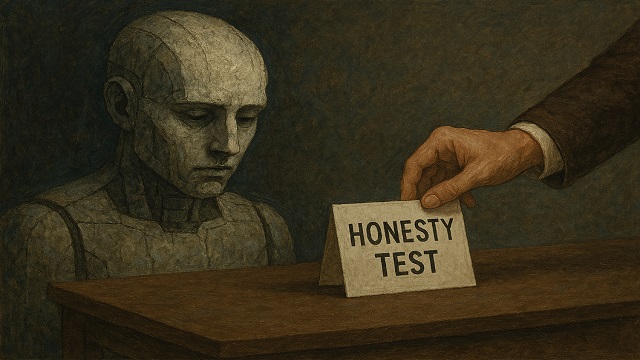
New research reveals a potential weakness in how we monitor AI systems for misbehavior. Chain-of-thought monitoring, where one AI checks another’s wor…
Read More
Replacing human subjects with AI surrogates, or digital twins, is something some social scientists would like to do. Human participants can be costly,…
Read More
Water droplets can act like tiny dancers on a surface, picking up electrical charges as they slide. When these charged drops land on materials with ce…
Read More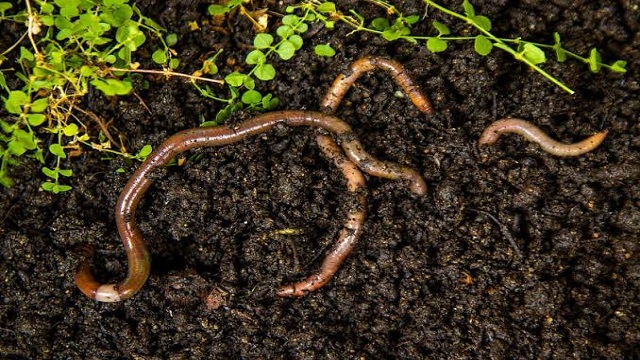
Scientists discovered that tiny worms move much faster when they are in tight spaces rather than open areas. This is different from how humans or othe…
Read More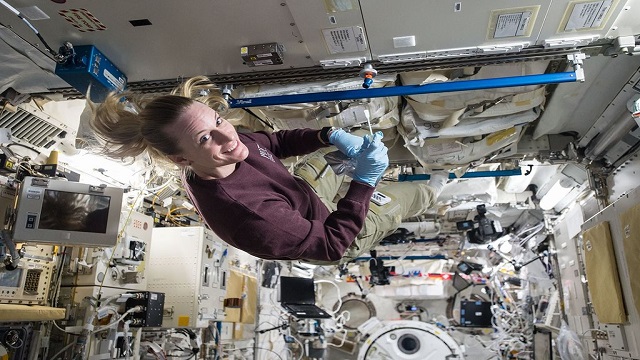
Previous missions to the moon explored areas near the equator, where extreme temperatures and high ultraviolet radiation make life impossible. However…
Read More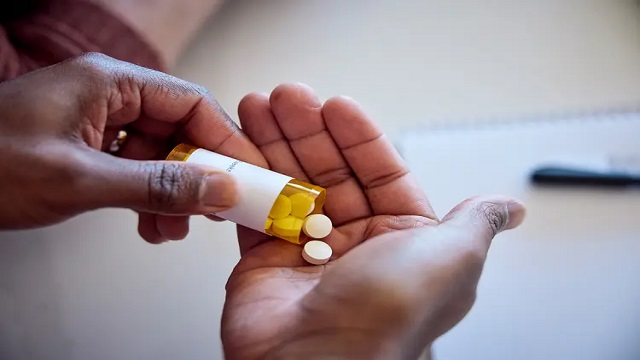
Millions of people worldwide take selective serotonin reuptake inhibitors (SSRIs) each year, even though scientists don’t fully understand how they wo…
Read More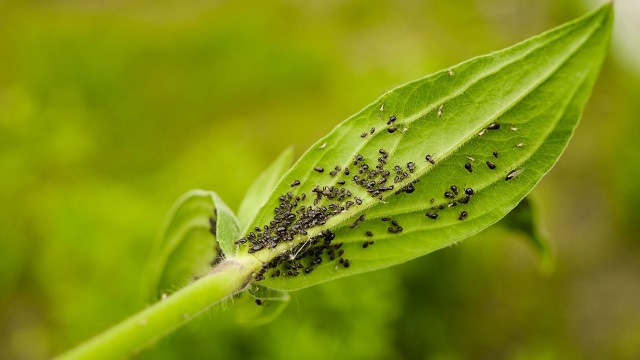
When insects attack plants, some plants can summon help from tiny soil microbes. Cowpea plants release chemicals that feed a group of helpful bacteria…
Read More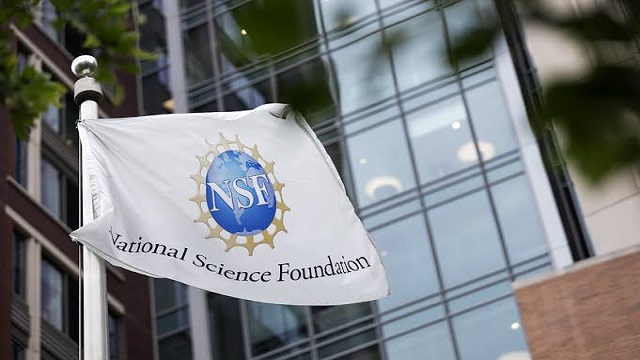
The US National Science Foundation (NSF) is set to award approximately 30% fewer new research grants this fiscal year compared to last year. This sign…
Read More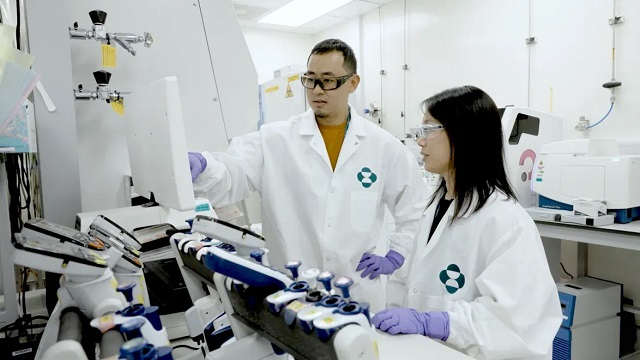
A new personalized mRNA vaccine for melanoma has shown promise in reducing the risk of the disease returning, according to results from a phase III cl…
Read More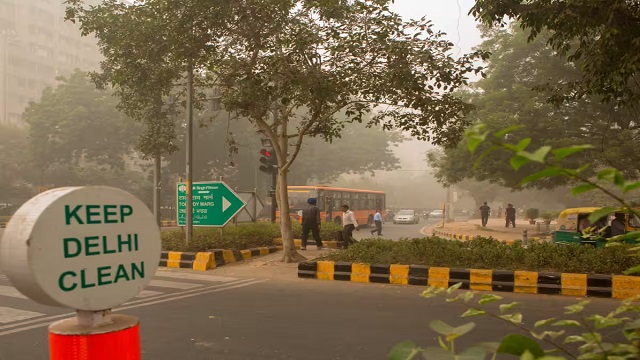
Across Beijing, millions of weeping willows and poplar trees create a green city, but they also release chemicals that make air pollution worse. A stu…
Read More