
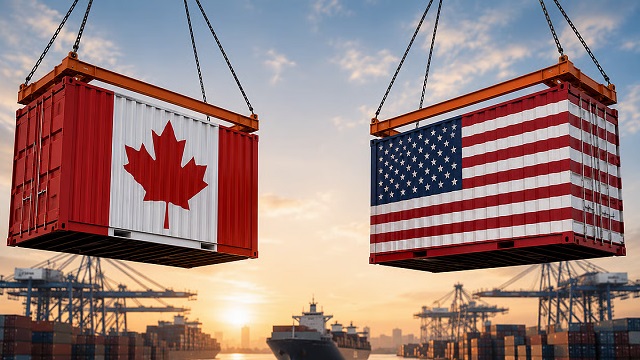
Canada Hits US Goods with Tariffs of Up to 50%
Canada has started imposing new tariffs of up to 50% on around C$28 billion worth of goods imported from the United States. The move comes as trade relations between the two neighbouring countries continue to face tension following the breakdown of recent negotiations.
The new tariffs affect a range of American products, including steel, furniture, clothing and other manufactured goods. However, fresh fish and lobster have been removed from the list after strong pressure from Canada’s seafood industry.
Canadian seafood businesses had warned that putting tariffs on American seafood-related trade could hurt companies on both sides of the border. Following their concerns, the Canadian government decided to exclude fresh fish and lobster from the new measures.
Trade Talks Break Down
The latest action follows the failure of trade talks between Canada and the United States last month. Negotiations were expected to help both countries settle their differences over tariffs and other trade issues, but the discussions ended without a major agreement.
There are currently no clear signs that formal negotiations will restart soon. The situation has increased uncertainty for companies that depend on cross-border trade.
Canada and the US have one of the world’s largest trading relationships, with billions of dollars worth of goods moving between the two countries every year. Businesses on both sides depend heavily on this trade, particularly in industries such as manufacturing, energy, agriculture and transportation.
Canada Says It Is Ready for a Long-Term Deal
Canadian Prime Minister Mark Carney has said that Canada remains willing to work with the United States to reach a long-term trade agreement.
Carney has stressed that Canada wants a deal that is fair and provides benefits to both countries. However, the Canadian government has also made it clear that it is prepared to respond when American trade measures affect Canadian businesses and workers.
The latest tariffs are being presented as a response to earlier US trade actions rather than a complete rejection of future negotiations.
US Also Imposed Tariffs
The trade dispute has already seen several rounds of tariffs from Washington. The United States previously imposed tariffs on Canadian products, including cars, trucks, steel, aluminum and lumber.
These measures have affected important Canadian industries and increased pressure on businesses that sell their products to the US market.
Canada responded by placing its own tariffs on a number of American products, including some vehicles and other goods. The latest measures represent another step in this ongoing trade dispute.
US Calls on Canada to Take Action
US Trade Representative Jamieson Greer has said that it is now Canada’s responsibility to take steps to resolve the dispute.
The US government has defended its trade policies by saying that tariffs are needed to protect American industries and address concerns related to trade. Canada, however, has argued that the measures could harm businesses and consumers in both countries.
The disagreement has created uncertainty for companies that rely on stable trade rules. Businesses may face higher costs if tariffs remain in place for a long period.
Possible Impact on Businesses and Consumers
The new Canadian tariffs could make some American products more expensive in Canada. Importers may have to pay higher costs, which could eventually affect retailers and consumers.
American companies that depend on Canadian customers could also face lower demand if their products become more expensive. Canadian businesses that use American materials or equipment may also face higher costs because of the tariffs.
Industries that depend heavily on cross-border supply chains could be particularly affected. Companies may need to look for alternative suppliers or change their business plans if the dispute continues.
Future of Canada-US Trade Remains Uncertain
Despite the latest escalation, Canada has indicated that it remains open to negotiations. Both countries have strong economic ties, making a long-term solution important for businesses and workers.
For now, however, there is little indication that talks will restart immediately. The continued use of tariffs could put further pressure on both governments to find a compromise.
The latest developments show how quickly trade disagreements between major economic partners can affect businesses and consumers. Whether Canada and the United States can return to negotiations and reach a lasting agreement will depend on how both sides respond in the coming weeks.
Until then, companies on both sides of the border are likely to closely watch government decisions as uncertainty over tariffs and future trade rules continues.