
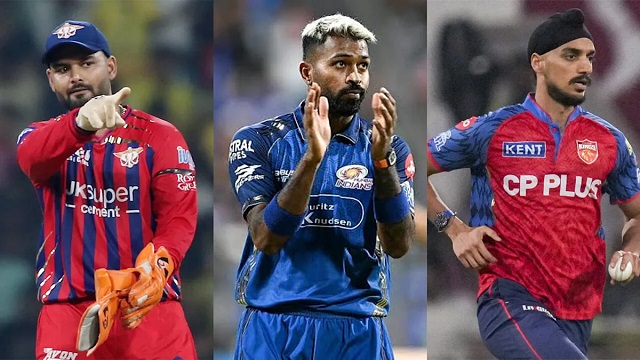
IPL Trades Explained: How Deals Work? Does a Player’s Consent Matter?
The Indian Premier League (IPL) recently saw a big trade when Hardik Pandya moved from Mumbai Indians to Punjab Kings in exchange for Arshdeep Singh. This deal is one of the most talked-about trades in IPL history. Pandya’s salary increased by ₹18 crore, while Arshdeep stayed at his previous salary of ₹18 crore.
Earlier this year, Rishabh Pant agreed to a pay cut and returned to Delhi Capitals from Lucknow Super Giants. Other deals include Chennai Super Kings acquiring Sanju Samson for ₹18 crore from Rajasthan Royals, who in turn got Ravindra Jadeja for ₹14 crore and Sam Curran for ₹2.4 crore.
The first IPL trade happened in 2009 when Mumbai Indians sent Ashish Nehra to Delhi Daredevils for Shikhar Dhawan. Nehra is now the coach of Gujarat Titans.
Here’s how trades work:
1. A team (buying franchise) shows interest in a player by submitting an Expression of Interest (EOI) to the BCCI.
2. The team that currently has the player has 48 hours to agree to the trade.
3. If they agree, the player must sign a form to confirm he wants to move.
4. Players can earn a part of any salary increase agreed by both teams during the trade.
Fitness is also important. Before a trade, the buying team must ensure the player is fit to play. For example, Pandya hasn’t played since IPL 2026 due to an injury but is recovering.