
Karnataka Challenges Cauvery Water Release Order
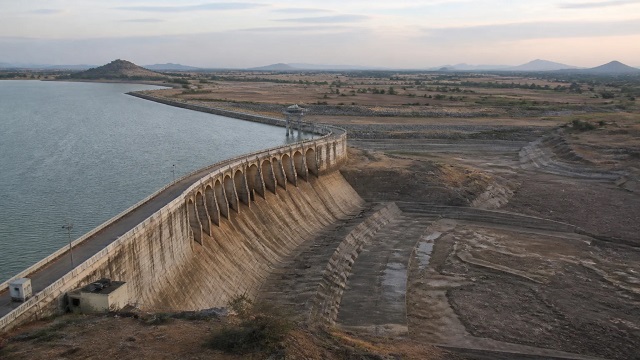
Karnataka is preparing to approach the Supreme Court against an order directing the state to release 6,000 cusecs of Cauvery River water to Tamil Nadu every day. The Karnataka government has raised concerns over the condition of its reservoirs and said protecting drinking water supplies for its people must be a priority.
The decision to seek legal intervention comes after a series of meetings and discussions between senior state officials. Karnataka officials have been reviewing the available water in the state’s reservoirs and the expected demand during the dry period.
The state government argues that releasing 6,000 cusecs of water every day could put additional pressure on its already limited water resources. Officials are concerned that continued water releases could reduce the amount of water available for cities, towns and villages that depend on the Cauvery and its reservoirs.
Drinking water has been highlighted as one of Karnataka’s main concerns. The government has maintained that it must first ensure sufficient water for its residents before releasing large quantities to another state.
The Cauvery River is an important source of water for both Karnataka and Tamil Nadu. Millions of people in the two states depend on the river for drinking water, farming and other daily needs.
Tamil Nadu has also repeatedly sought its share of Cauvery water to meet the requirements of farmers and people in several districts. The river plays an important role in agriculture, particularly in the state’s Cauvery delta region.
The sharing of Cauvery water has been a long-standing dispute between Karnataka and Tamil Nadu. During periods of weak rainfall and drought, tensions between the two states often increase as both face pressure to meet their own water requirements.
Karnataka has argued that the current situation requires careful management of the available water. State officials say they cannot ignore the needs of their own population, particularly when reservoir levels are low and the state is facing the possibility of water shortages.
The government is now preparing its legal arguments for the Supreme Court. Karnataka is expected to explain the condition of its reservoirs and the difficulties it could face if it is required to continue releasing large quantities of water.
Tamil Nadu, meanwhile, is likely to maintain that the ordered release is necessary to protect its water requirements and ensure the state’s share of the river water. The disagreement could therefore lead to another important legal battle over the use and distribution of the Cauvery’s water.
The outcome of the case could have wider implications for water-sharing disputes between Indian states. A decision by the Supreme Court could influence how similar disputes are handled when states face water shortages and competing demands.
Experts have called for both states to find a practical and long-term solution. They have stressed the importance of considering drinking water, agriculture, rainfall, reservoir levels and future water availability before making decisions about river water releases.
The Cauvery dispute shows how difficult it can be to manage a shared river when water resources become limited. Karnataka and Tamil Nadu will need to balance the immediate needs of their people with the long-term sustainability of the river.
As Karnataka prepares to challenge the water-release order, attention will now turn to the Supreme Court and the arguments presented by both states. The legal proceedings could play an important role in determining the next steps in the continuing Cauvery water dispute.