
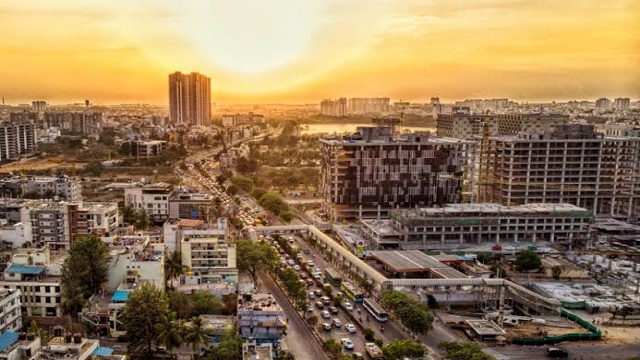
Karnataka’s Urban Future
As Karnataka moves towards greater urbanisation, questions are being raised about whether enough attention has been given to the development of rural areas. The state is now reviewing its urban development strategy to prepare for future growth. However, experts and communities are also concerned about how villages will be affected by these changes.
The Karnataka Regional Urbanisation Plan, known as Navodaya Karnataka-2047, was launched on October 30, 2026. The plan aims to invest ₹5 lakh crore in urban development and create seven planning regions with eight growth centres. Through this initiative, the state hopes to improve infrastructure, create more employment opportunities and encourage economic growth across different regions.
The plan focuses on developing better roads, transport facilities, public services and other important infrastructure. These improvements are expected to support businesses, attract investments and make cities more suitable for future growth. The creation of new growth centres may also help reduce pressure on major cities by encouraging development in other parts of the state.
However, the focus on urban development has also raised questions about the future of rural communities. Many villages still depend on agriculture and local businesses for their income. As urban areas expand, rural communities may face changes in land use, employment opportunities and access to natural resources. Therefore, it is important to ensure that villagers also receive benefits from the state’s development plans.
The government needs to consider better transport links between villages and cities, improved education and healthcare facilities, and more employment opportunities in rural regions. Supporting farmers, small businesses and local industries can also help rural communities become part of the state’s economic growth.
Karnataka’s urbanisation strategy will be more successful if it creates opportunities for both urban and rural populations. Ensuring that villages are not left behind is essential for achieving balanced development and building an inclusive future for the state by 2047.