
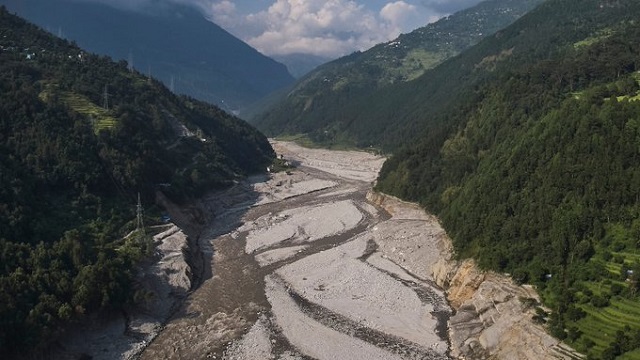
Nepal Expands Flood Warnings to Reduce Glacial Lake Risks
The government has outlined its plans in two documents that focus on disaster management and community safety. The measures are expected to improve the monitoring of glacial lakes and help authorities identify possible flood threats earlier. This could give people more time to move to safer places when danger is detected.
What causes glacial lake outburst floods?
Glacial lakes form when glaciers melt and water collects in natural basins in mountainous areas. These lakes may be held back by ice, rocks or loose soil. As temperatures rise and glaciers continue to melt, some lakes can grow larger and become unstable.
If the natural barrier holding the water breaks, a huge amount of water can flow rapidly downstream. This is known as a glacial lake outburst flood, or GLOF. Such floods can occur suddenly and cause widespread damage to communities located along rivers and valleys.
These floods can destroy houses, roads, bridges, farmland and other important infrastructure. They can also cause deaths and force families to leave their homes. Mountain communities are especially vulnerable because they may have very little time to respond when a flood begins.
Why is Nepal at risk?
Nepal is highly vulnerable to these hazards because much of the country lies in the Himalayan region, which contains many glaciers and glacial lakes. Rising temperatures and changing weather patterns have increased concerns about melting ice and the growing risks associated with unstable lakes.
Communities living near mountain rivers and valleys face particular danger. Floodwater can travel long distances, affecting settlements and infrastructure far from the original lake. This makes early detection and reliable communication essential.
Better monitoring and early warnings
Under the proposed plans, Nepal aims to strengthen weather forecasting, improve the monitoring of glacial lakes and provide faster warnings to people living in high-risk areas.
Better monitoring systems could help officials track changes in lake water levels and identify signs of possible instability. Improved weather information could also help authorities prepare for heavy rainfall and other conditions that may increase flood risks.
Timely warnings would allow disaster management teams to alert residents, organise evacuations and coordinate rescue operations. Local authorities could also prepare emergency shelters and identify safe routes for people who need to leave dangerous areas.
Public awareness programmes and emergency drills could help residents understand how to respond when a warning is issued. Clear communication is especially important in remote mountain communities, where access to information and emergency services may be limited.
Protecting communities from climate-related disasters
The planned improvements are part of Nepal’s wider efforts to prepare for natural disasters and reduce the effects of climate-related threats. Stronger warning systems and better emergency planning could help limit damage, protect lives and support faster recovery after a disaster.
However, the success of these plans will depend on effective implementation. Reliable monitoring equipment, trained staff, clear communication networks and cooperation between government agencies and local communities will all be important.
As risks linked to glacial lakes continue to receive attention across the Himalayan region, Nepal’s plans highlight the importance of preparing before disasters occur. Better forecasting and early warning systems could give vulnerable communities valuable time to respond and improve their chances of staying safe.
Editorial note: Confirm the two government documents and the specific measures announced through official sources before publication.