
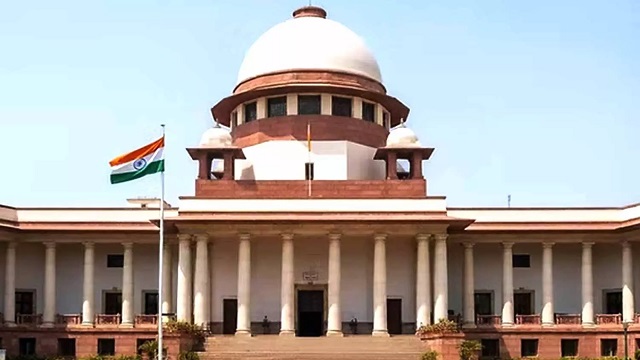
Supreme Court Rules on Detention and Production Before Magistrate
The Supreme Court of India has ruled that the 24-hour period for producing a detained person before a Magistrate begins from the time of detention, rather than the time of formal arrest. The judgment was written by Justice Ujjal Bhuyan.
The Court explained that both detention and arrest restrict a person’s freedom. Therefore, authorities must respect the legal rights of individuals from the moment they are detained.
The judgment highlighted the importance of protecting fundamental rights, including the right to personal liberty and the right to seek bail. The Court said these rights must be given proper importance even when special laws, such as the Unlawful Activities (Prevention) Act (UAPA) and the Prevention of Money Laundering Act (PMLA), are involved.
According to the ruling, a person cannot be kept in detention for more than 24 hours without being produced before a Magistrate. If the authorities fail to follow this requirement, the detained person must be released.
The Court also said that the Magistrate must record the exact date and time when the person was detained. This information is important to ensure that the legal time limit is followed correctly.
The Supreme Court further clarified that authorities cannot exclude the time spent on inquiries or investigations before formally arresting a person from the 24-hour period. The clock begins when the detention starts, not when the arrest is officially recorded.
However, the Court explained that the time required to transport the detained person from the place of detention to the Magistrate’s court can be excluded from the calculation.
The ruling reinforces the importance of personal liberty and safeguards against unlawful detention. It also makes clear that law enforcement authorities must follow constitutional requirements while carrying out investigations and arrests.
The decision is expected to have an important impact on cases involving detention under special laws and strengthen the protection of individual rights under the Constitution.