
The Freedom to Think: Challenges for Public Universities
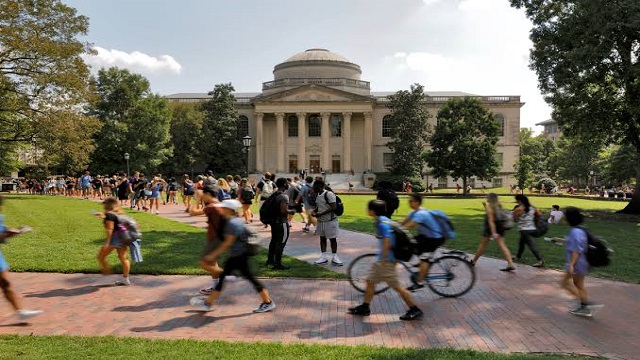
A university is much more than a place where students attend classes, write exams, and earn degrees. It is an important part of society where people from different backgrounds come together to learn, exchange ideas, and understand different points of view.
Universities provide students with an environment where they can explore ideas beyond their personal experiences. They meet people with different opinions, cultures, and beliefs. These interactions can help students understand that there can be several ways of looking at the same issue.
Education at a university is also about learning how to think critically. Students are encouraged to question information, examine evidence, challenge existing ideas, and ask difficult questions. Instead of simply accepting everything they are told, they learn to analyse information and form their own views.
This process is important for developing independent thinking. A healthy academic environment allows students and teachers to discuss ideas openly, including ideas that may challenge traditional beliefs or existing systems. Such discussions can contribute to new research, discoveries, and changes in society.
Academic freedom plays a central role in this process. Teachers and researchers need the freedom to study subjects, present evidence, and discuss their findings without inappropriate pressure or interference. Students also need the space to participate in debates and express their views within the normal rules of academic life.
When universities lose their independence, open discussion can become more difficult. If academic institutions are heavily influenced by governments, political groups, businesses, or other powerful interests, there can be pressure to avoid certain subjects or viewpoints. This can weaken the culture of questioning and research that universities are expected to protect.
Academic freedom does not mean that universities should operate without rules or responsibilities. Universities still need standards for research, teaching, safety, and professional conduct. However, those rules should support a genuine learning environment rather than prevent legitimate academic inquiry.
Independent universities can play an important role in the progress of society. They provide space for research, debate, innovation, and the exchange of knowledge. Protecting academic freedom therefore benefits not only students and teachers but society as a whole.
A strong higher education system depends on the ability to ask questions, examine evidence, disagree respectfully, and explore new ideas. Maintaining that freedom is essential if universities are to continue producing independent thinkers and contributing to social, scientific, and technological progress.