
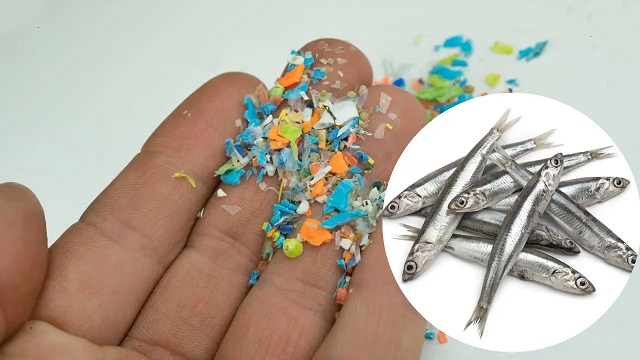
Microplastics Found in Fish Near Vizag Harbour
A recent study by researchers at Andhra University has found microplastics in the edible muscle of fish caught near Visakhapatnam Harbour. The findings have raised concerns about plastic pollution in the marine environment and the possible impact on seafood.
The study was published in the International Journal of Environmental Sciences. Researchers examined a total of 130 fish, including 110 anchovies and 20 Indian ribbonfish, to check for the presence of plastic particles.
Scientists collected samples from different parts of the fish, including the gut, gills and edible muscle. Microplastics were detected in around 94% of the fish examined in the study. Researchers found an average of about eight microplastic particles per fish.
The discovery of microplastics in the edible muscle is particularly important because this is the part normally consumed by people. Microplastics are very small pieces of plastic, often less than five millimetres in size. They can enter the ocean through plastic waste, fishing equipment, packaging materials and other sources of pollution.
Once plastic waste reaches the sea, it can break down into smaller particles. Marine animals may then mistake these particles for food or take them in through contaminated water. Fish can therefore become exposed to microplastics as they move through the marine food chain.
The researchers’ findings highlight the growing problem of plastic pollution along coastal areas. Visakhapatnam is an important fishing and port region, and the presence of microplastics in fish shows how plastic waste can affect marine ecosystems.
A neurologist said that microplastics are known to be harmful to marine life, but the long-term effects on humans who consume seafood containing these particles are still not fully understood. More research is needed to determine how much microplastic exposure from food could affect human health over a long period.
Experts have stressed that the findings should not create unnecessary fear among seafood consumers. However, they also point out that reducing plastic pollution is important for protecting marine animals, the environment and potentially human health.
The study also highlights the need for better waste management near coastal areas. Reducing the use of single-use plastics, preventing plastic waste from entering waterways and improving recycling systems could help reduce the amount of plastic reaching the sea.
The researchers’ findings serve as a reminder that plastic pollution does not remain only in the environment. Tiny plastic particles can enter marine ecosystems and eventually become part of the food chain.
Scientists are expected to continue studying microplastics in seafood to better understand their movement through the food chain and their possible effects on human health. For now, experts agree that reducing plastic pollution is one of the most important steps that can be taken to protect marine ecosystems and keep seafood sources cleaner.