
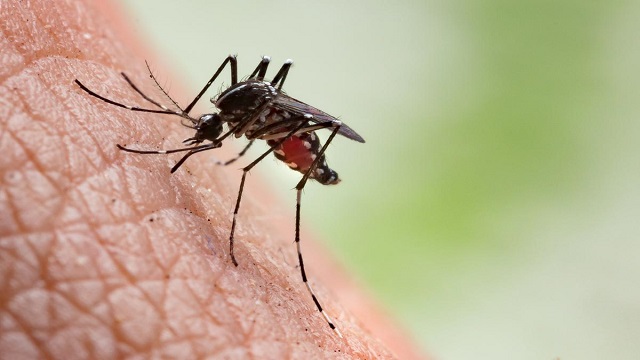
Dengue Discrepancy in India
India is facing questions over the number of people who died from dengue in 2024 after two government agencies reported very different figures. The Registrar General of India recorded 2,340 dengue-related deaths across the country, while the National Centre for Vector Borne Diseases Control (NCVBDC), under the Union Health Ministry, reported only 297 deaths.
The difference of more than 2,000 deaths has raised concerns about how dengue-related cases and fatalities are recorded across India. The figures suggest that the two agencies may be using different systems or criteria when collecting and reporting information.
The NCVBDC is responsible for monitoring and supporting efforts to control diseases spread by mosquitoes and other vectors, including dengue. Its data are based on cases and deaths reported through the country’s disease surveillance and health systems.
The Registrar General, on the other hand, collects information through the civil registration system. Death records can include information obtained through official registration processes, which may produce figures that differ from disease surveillance data.
Experts say differences in reporting methods can sometimes lead to significant variations in health statistics. Dengue deaths may also be recorded differently depending on whether the disease was confirmed through laboratory testing, listed as a suspected cause of death or identified through medical and registration records.
Another concern is underreporting. Some dengue cases and deaths may not be properly captured by disease surveillance systems, particularly when patients are treated outside major hospitals or when dengue is not confirmed through testing.
Accurate information is important for India’s public health planning. Reliable death figures can help authorities understand the seriousness of dengue outbreaks and decide where additional medical facilities, testing, mosquito-control measures and public awareness campaigns may be required.
Dengue remains a major public health concern in India, particularly during and after the monsoon season when mosquito populations can increase. Large outbreaks can place additional pressure on hospitals and healthcare workers.
The major difference between the two sets of figures has therefore highlighted the need for better coordination between government agencies. A clearer system for collecting, verifying and sharing dengue-related information could help provide a more accurate picture of the disease’s impact.
The contrasting 2024 figures do not by themselves establish which number represents the complete national toll. Further examination of the methods used by the Registrar General and NCVBDC may be needed to understand why their reported numbers differ so significantly.
As India continues its efforts to control dengue, accurate and consistent data will remain important for measuring the disease’s impact and planning effective public health responses.