
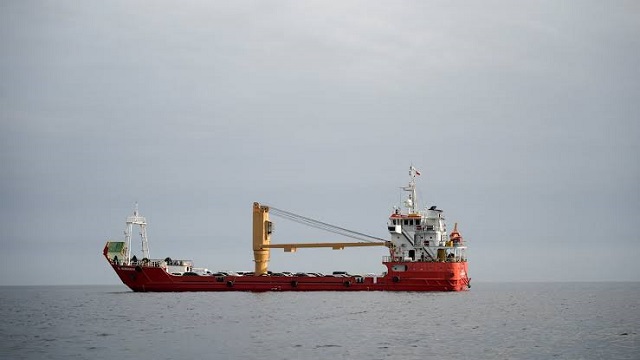
Iran Won’t Reopen Strait of Hormuz
Iran has said it will not reopen the Strait of Hormuz or return to the previous framework of nuclear negotiations with the United States until Washington meets Tehran’s conditions. Iranian Parliament Speaker Mohammad Bagher Ghalibaf said Iran has already communicated its demands to the United States through intermediaries.
Ghalibaf said Tehran would maintain its current position until what Iran describes as its rights are recognised and the United States fulfils its commitments. He also said Iran would continue to combine military action with diplomacy as it seeks to protect its interests.
The Strait of Hormuz has become a major point of tension in the conflict. The waterway is an important route for global energy shipments, and restrictions on shipping have raised concerns about possible disruptions to oil supplies and international trade.
Iranian security chief Mohsen Rezaei has also said that Tehran sent conditions for ending the conflict to the United States through Qatar. The conditions reported by Al Jazeera include an end to the war on all fronts, the release of frozen Iranian funds and an end to the US naval blockade of Iranian ports.
The latest statements come as diplomatic efforts remain uncertain. Qatar has been involved in communication between Iran and the United States, while Tehran has said it is waiting for a response from Washington.
At the same time, Iran’s central military command has issued a strong warning over any possible new US military action. The Khatam al-Anbiya Central Headquarters said that a new US attack would be met with attacks on American bases and interests across the region.
The Iranian military also warned regional countries against supporting any new US military operation. It said countries that assist Washington could be treated as parties to the conflict.
The situation has increased uncertainty around the Strait of Hormuz and wider regional security. Any prolonged restrictions on shipping through the waterway could affect energy markets and international trade, while the lack of progress in negotiations leaves the possibility of further tensions between Tehran and Washington.
For now, Iran is linking the reopening of the Strait of Hormuz and a return to its previous negotiating framework to the fulfilment of its stated conditions. The United States has not accepted those conditions, leaving diplomatic efforts at a difficult stage.