
Chennai Faces CNG Shortage Amid Rising Vehicle Demand
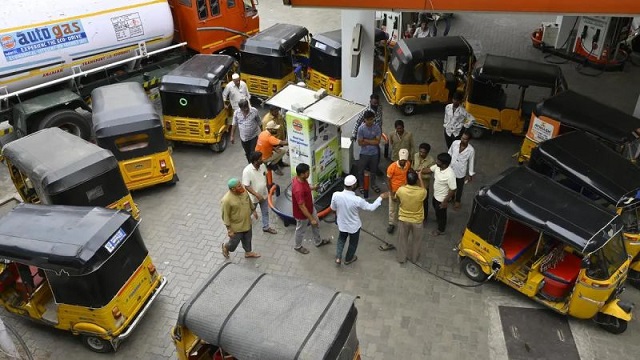
CHENNAI: The number of vehicles using compressed natural gas (CNG) is increasing in Chennai and its neighbouring districts because of lower running costs and better mileage. However, the region is facing a shortage of adequate CNG filling infrastructure. Long queues, delays and uncertain fuel supplies have become major concerns for vehicle owners and drivers.
According to data from the Central government, around 1.25 lakh vehicles running on CNG, petrol-CNG and diesel-CNG have been registered at Regional Transport Office (RTO) offices in Chennai and neighbouring districts since 2020. Of these, nearly 85,000 vehicles run only on CNG. The figures indicate the growing demand for CNG as an alternative fuel.
However, the availability of filling stations has not kept pace with the increasing number of vehicles. According to the Petroleum and Natural Gas Regulatory Board (PNGRB), Chennai and Tiruvallur had 87 operational CNG stations as of April 2026. The Kancheepuram region had 52 stations during the same period.
The limited number of stations has created difficulties for drivers who depend on CNG for their daily travel and business operations. Long waiting times can affect their schedules, reduce the time available for trips and make it difficult for commercial drivers to complete more journeys in a day.
K. P. Murali, president of the Tamil Nadu Petrol Dealers Association, said irregular fuel supplies were a major concern for filling station operators. He explained that a significant portion of the CNG supplied to stations comes from private companies. As a result, the availability of fuel often depends on the supply schedules followed by these companies.
Inconsistent supplies can create uncertainty for both station operators and customers. Even when filling stations are available, drivers may have to wait if sufficient fuel is not supplied on time. This makes it difficult for vehicle owners to depend entirely on CNG for their daily travel.
T. Anbalagan, president of the Chennai Tourist Car Operator’s Association (CTCOA), said the limited availability of CNG was particularly inconvenient for commercial vehicle operators. Taxi and tourist car drivers need regular access to fuel to complete their trips and earn their daily income. Delays at filling stations can affect their work and reduce the number of trips they can take.
A. Marimuthu, a cab driver, said filling CNG could take anywhere from 30 minutes to more than an hour because of waiting queues. He added that he sometimes had to travel to Maraimalai Nagar, where the filling process could be completed in around 15 to 20 minutes. Such travel adds extra time to his daily schedule and creates further inconvenience.
Apart from fuel supply, the availability of suitable land is another challenge in expanding the CNG network. S. Balasubramaniam, general secretary of the Auto-Taxi Workers Association, said finding land for new filling stations was a major hurdle. Establishing additional stations requires suitable locations, which may be difficult to secure in busy urban areas.
The growing use of CNG vehicles has increased the need for a stronger and more reliable filling network across Chennai and neighbouring districts. More stations and consistent fuel supplies could help reduce waiting times and make CNG a more convenient option for private and commercial vehicle owners.
Improving the infrastructure would also help drivers who depend on their vehicles for their livelihoods. As the number of CNG-powered vehicles continues to rise, better coordination between suppliers, filling station operators and authorities will be important to meet demand and improve fuel availability across the region.