
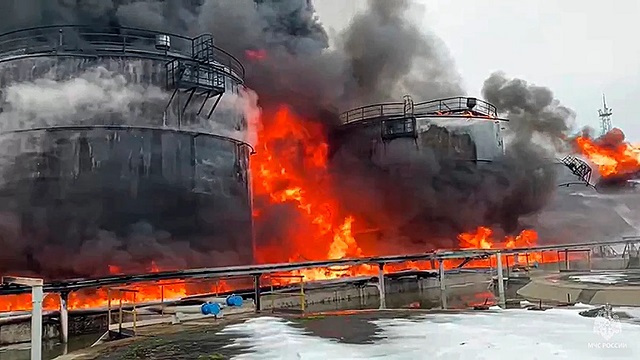
Ukraine Strikes Russian Refinery with Drones and Missiles
Ukraine has reportedly launched an attack on a Russian refinery using drones and missiles, targeting an important facility in Russia’s Voronezh region. The strike is part of Ukraine’s ongoing efforts to weaken Russian fuel supplies and disrupt infrastructure that supports its military operations amid the continuing war between the two countries.
According to reports, the attack caused damage at the refinery, with fires and explosions reported at the site. However, complete details about the extent of the damage and the number of people injured remain unclear. Some local media reports suggested that several workers were injured, but official casualty figures had not been confirmed.
Oil refineries play an important role in processing crude oil into products such as petrol, diesel and aviation fuel. Damage to these facilities can affect fuel production, storage and transportation. If the targeted refinery is unable to operate normally, it could create challenges for regional fuel supplies and increase pressure on Russia’s energy infrastructure.
Reports indicated that Ukraine used a combination of drones and long-range missiles in the operation. Drones can be used to strike targets over long distances, while missiles can reach important facilities from considerable distances. The use of different types of weapons reflects the growing role of modern technology in the conflict.
Ukraine has previously targeted Russian energy infrastructure as part of its efforts to disrupt resources that may support Moscow’s military campaign. Such attacks can force Russia to spend more resources on protecting important facilities and repairing damaged infrastructure. However, the actual impact of this particular strike will depend on the level of damage and how quickly the refinery can resume normal operations.
Russia has condemned the attack, describing it as an act of terrorism, while Ukraine has defended strikes against targets it considers connected to Russia’s war effort. The two countries continue to present different views on the purpose and legality of such operations.
The incident highlights the continuing escalation of attacks on infrastructure during the Russia-Ukraine war. Energy facilities have become important targets because disruptions can affect fuel availability, transportation and military logistics.
The full consequences of the strike remain uncertain, including the extent of the damage, the effect on fuel production and the time required for repairs. The incident also highlights the growing importance of drones and long-range weapons in modern warfare, where attacks on infrastructure can have consequences far beyond the immediate battlefield.